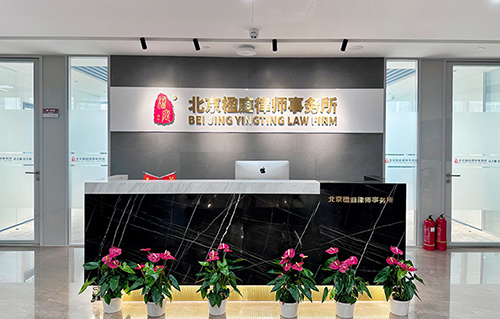
Beijing Yingtong Law Firm has focused on the protection of the rights and interests of private enterprises for many years. It has represented many corporate rights protection cases in the legal practice of rights protection in natural resources, mining, land, waters, territorial space, corporate equity, criminal defense, factory demolition, environmental protection shutdown, prohibition and vacation, etc., including large-scale real estate...









Ten highlights of the new "Regulations on the Implementation of the Administrative Reconsideration Law": 01 Supplementation and clarification of the scope of administrative review - the "14+Others" mo
Home page >> Ying Ting Information >> Legal information
Article author:Yingting Lawyers Group | Update time:2026-05-15 | Reading times:78
Is the original range sufficient?
Speaking of the expansion of the scope of administrative review, we must first talk about what the situation was before. The "Administrative Reconsideration Law" before the amendment listed a list of 11 situations in which administrative reconsideration can be applied for. In practice, the court and the review authority have inconsistent understanding and grasp of this list, and sometimes the embarrassing situation of “wanting to file a lawsuit but not being able to file a lawsuit” occurs. For example, in matters such as student status processing, which is closely related to the vital interests of the company, whether it was possible to apply for administrative review in the past was subject to different standards in different places. Some places accept it, while others don't, leaving the parties concerned confused.
The “14+Others” model of the new regulations
When the new regulations came out this time, a big highlight was the establishment of the “14+others” coverage model. Specifically, the original 11 types of situations have been expanded to 14, and at the same time, a "situation under which administrative review can be applied for under other administrative review laws and regulations" has been added asCover clause. This is like making a list of 14 common and important types of administrative actions, but leaving a hole at the same time: as long as other legal regulations say that you can apply for administrative review, you can apply for it. In this way, the scope is much wider than before, and there is room for relief, and there are relief channels for new situations.
Impact on the business environment
It is important to mention here that this expansion is of great significance to the enterprise. In the past, some companies were not sure whether they could review some of the administrative penalties and licensing decisions imposed by market supervision departments on companies. Now that the scope is clear, when companies encounter administrative actions that they believe infringe on their legitimate rights and interests, they will feel more confident and know that this path can be taken. This is a very real progress for optimizing the business environment and protecting the legitimate rights and interests of market entities.
How to understand the "other" cover clause?
Someone may ask, does the blanket clause "others" mean there is no boundary? In practice, this "other" is not used casually. The new regulations add a qualifier called "other administrative review laws and regulations." In other words, there must be other laws and regulations that clearly state that this matter can be applied for administrative review. So this is not an unlimited expansion, but a bounded elasticity clause. When the review authority accepts a case, it still needs to analyze specific issues to see if there is any specific legal basis to support it.
[Lawyer Yingting’s conclusion]
In general, this expansion of the scope reflects the legislative attitude of being open to asking for advice and responding to concerns. For our company, there is one more channel for reasoning and one more way to solve problems. Of course, the specific circumstances that can be accepted will depend on the circumstances of each case, but at least the direction is clear - the door to reconsideration is wider and more inclusive. Thank you for your attention, see you next time.
Recommended reading
- Mineral rights mortgage financing: a new financing path for private mining companies
- Should the government’s investment promotion agreement be scrapped at the drop of a hat? The law has your back!
- Mining in the name of land leveling? The Central Inspection Team is exposed! Mine bosses, please don’t step into this trap.
- Mining license renewal delayed? The new regulations stipulate that a reply must be made within 15 days
- New opportunities for administrative reconsideration: increased litigation winning rate, smoother rights protection channels
- Mineral rights mortgage financing: a new financing path for private mining companies
- Should the government’s investment promotion agreement be scrapped at the drop of a hat? The law has your back!
- Mining in the name of land leveling? The Central Inspection Team is exposed! Mine bosses, please don’t step into this trap.
- Are companies being fined too much for small things? Court: The punishment is inappropriate and must be corrected!
- New opportunities for administrative reconsideration: increased litigation winning rate, smoother rights protection channels