Law firm introduction More》
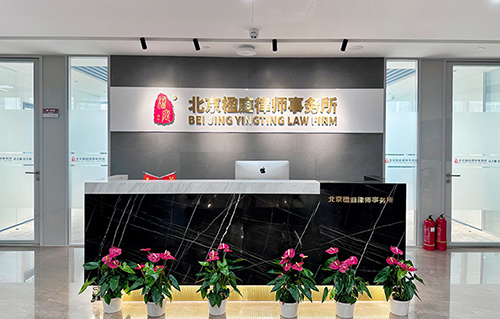
Beijing Yingtong Law Firm has focused on the protection of the rights and interests of private enterprises for many years. It has represented many corporate rights protection cases in the legal practice of rights protection in natural resources, mining, land, waters, territorial space, corporate equity, criminal defense, factory demolition, environmental protection shutdown, prohibition and vacation, etc., including large-scale real estate...
Law firm services
Law firm personnel More》








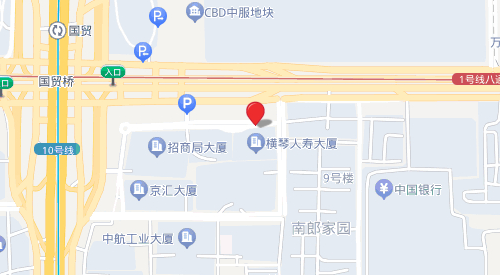
Visiting address More》
Yingting Attention | The "Fifteenth Five-Year Plan for Urban Renewal" was released. What new opportunities will the transformation of resource-based cities and mining areas usher in?
Home page >> Ying Ting Information >> Legal information
Article author:Yingting Lawyers Group | Update time:2026-06-02 | Reading times:72
Recently, the State Council officially issued the “15th Five-Year Plan for Urban Renewal”. As my country's first special urban renewal plan, this document marks a new stage in which urban development has shifted from large-scale incremental expansion to stock improvement, quality and efficiency. For the vast number of resource-depleted cities, old industrial bases and mining-related enterprises, the policy signals released are particularly worthy of attention.
Focus on the "post-mining era": ecological restoration and space reshaping become the focus
Although the plan mainly focuses on the improvement of urban functions, in terms of green and low-carbon transformation and stock revitalization, it clearly puts forward the direction of governance for the legacy issues of mining:
- Accelerate the restoration of damaged ecosystems: The plan clearly calls for accelerating the restoration of damaged mountains, coal mining subsidence areas, and extremely large mine pits. This means that within the larger framework of urban renewal, the geological environmental damage left over from history by mining will be included in key management areas, and eliminating safety hazards is the top priority.
- Promote industrial revitalization in resource-based cities: Encourage old industrial cities and resource-based cities to increase the revitalization and utilization of industrial heritage. By improving the old factory area and surrounding supporting facilities, we will promote the conversion and mixed use of building functions, avoid simple "big demolition and big construction", and instead implant new business formats to improve the quality and efficiency of inefficient industrial parks.
- Inclined support for the renovation of dilapidated and old buildings: In the task of orderly promoting the renovation of dilapidated and old buildings, it is particularly proposed to give priority to support the implementation of relevant projects in resource-depleted cities. This reflects the country's policy support and concern for people's livelihood in cities with aging infrastructure due to depletion of mineral resources.
Lawyer Ying Ting reminds: Legal compliance and risk isolation under policy dividends
Combined with the country’s legislative developments in the field of ecological restoration of mines in recent years (such as the newly revised Mineral Resources Law adding a special chapter on “Ecological Restoration of Mining Areas”), the Yingting Mining Lawyer Team provides the following legal risk tips for relevant enterprises and local governments:
- Clarify the legal entities responsible for ecological restoration. With the legalization of the principle of “whoever destroys, he shall govern”, mining rights holders are facing lifelong pressure to hold themselves accountable. Especially in the process of transferring mining rights, unless there is an extremely clear and legal "other agreement" in the contract, the burden of ecological restoration left over from history will be transferred to the transferee along with the mining rights. When companies participate in urban renewal or acquire mining-related assets, they must conduct detailed legal due diligence to prevent the risk of "taking over" historical pollution.
- Make full use of policy funds and special bonds. During the "15th Five-Year Plan" period, the central government will support urban renewal through various tools such as fixed subsidies and special bonds. When resource-based cities apply for projects such as coal mining subsidence area management and dilapidated housing renovation, they should plan in advance to ensure that the project establishment and approval processes comply with national laws and administrative regulations on special fund applications to avoid missing out on policy dividends due to procedural flaws.
- Pay attention to the compliance boundaries of industrial heritage revitalization. When converting old mining areas and factories into cultural tourism or commercial spaces, it is necessary to pay attention to legal procedures in terms of land property changes, planning adjustments, and cultural relic protection. It is recommended that professional legal advisors be brought in before the project is launched to ensure that the transformation from the "industrial rust belt" to the "life show belt" is legal and compliant.
Recommended reading
- Mineral rights mortgage financing: a new financing path for private mining companies
- Should the government’s investment promotion agreement be scrapped at the drop of a hat? The law has your back!
- Mining in the name of land leveling? The Central Inspection Team is exposed! Mine bosses, please don’t step into this trap.
- Mining license renewal delayed? The new regulations stipulate that a reply must be made within 15 days
- New opportunities for administrative reconsideration: increased litigation winning rate, smoother rights protection channels
- Mineral rights mortgage financing: a new financing path for private mining companies
- Should the government’s investment promotion agreement be scrapped at the drop of a hat? The law has your back!
- Mining in the name of land leveling? The Central Inspection Team is exposed! Mine bosses, please don’t step into this trap.
- Are companies being fined too much for small things? Court: The punishment is inappropriate and must be corrected!
- New opportunities for administrative reconsideration: increased litigation winning rate, smoother rights protection channels