Law firm introduction More》
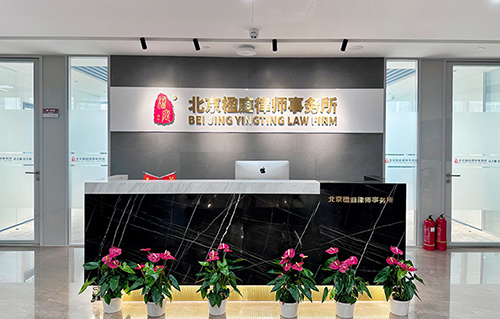
Beijing Yingtong Law Firm has focused on the protection of the rights and interests of private enterprises for many years. It has represented many corporate rights protection cases in the legal practice of rights protection in natural resources, mining, land, waters, territorial space, corporate equity, criminal defense, factory demolition, environmental protection shutdown, prohibition and vacation, etc., including large-scale real estate...
Law firm services
Law firm personnel More》








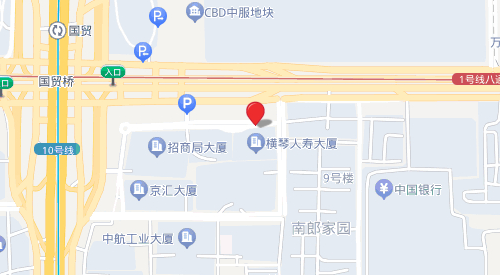
Visiting address More》
Government illegally expropriates land, villagers group files administrative lawsuit
Home page >> Ying Ting Information >> Legal information
Article author:Yingting Lawyers Group | Update time:2019-04-26 | Reading times:369
At the beginning of 2006, the government of a certain town was responsible for the resettlement of immigrants in the remote mountains of the town, and needed to requisition the farmland cultivated by a villager in the town. On April 23 of the same year, the town government and the villagers signed a "Land acquisitionAgreement" and paid 23,000 yuanlandCompensation fee. Subsequently, the town government willlandIt was delivered to the resettled households for building houses. In August of the same year, the villagers group filed a civil lawsuit with the court, claiming that the farmland cultivated by the villager was not the contracted land, but the contracted land of a deceased five-guarantee household of the villager group.landBelonging to the village collective, thelandThe compensation of 23,000 yuan should belong to the entire village group, and the court was requested to order Wu Qingyu to return 23,000 yuan.landcompensation. The courtLand acquisitionThe villagers' group's complaint was dismissed on the grounds that the agreement was in the nature of an administrative contract and did not fall within the civil litigation acceptance plan. The villagers' group then filed an administrative lawsuit with the court with the town government as the defendant, and listed a villager as the third party, requesting the court to revoke the Tanghu Town Government's illegal action.Land acquisitionbehavior, recoverylandAs is.
Disagree:
As the town people's government, the defendant organized and implemented the requisition of cultivated land in the name of the town government without statutory approval procedures, which was an administrative act that exceeded its authority.landAfter the administrative expropriation was confessed to be illegal, it involved 23,000 yuan that the defendant had paid to a third partylandThere are differences of opinion as to whether the compensation should be ordered to be returned to the defendant by the third party.
The first opinion is that the third person is based on "Land acquisition23,000 yuan obtained from the agreementlandcompensation,Land acquisitionThe agreement was a civil act agreed upon by both parties, and the court admitted that the defendantLand acquisitionAfter the behavior is illegal, the town government should appeal to the third party to recover 23,000 yuan on the grounds of unjust enrichment. In a mature administrative lawsuit, it is determined to revoke the specific administrative act of the administrative agency and then determine that the administrative counterparty returns the property to the administrative agency. my country's Administrative Litigation Law does not make relevant provisions. Therefore, in this case, it should not be determined that the third party returned 23,000 yuan.landCompensation to the defendant.
The second opinion is that the defendant signed a "Land acquisitionAgreement" is illegal expropriationlandPart of the specific administrative act that the defendant expropriated beyond his authoritylandAfter his behavior was confessed to be illegal, he also declared "Land acquisitionAgreement" is illegal. Although the Administrative Litigation Law does not have clear rules on how the administrative agency should handle the losses after a specific administrative act is confessed to be illegal, Article 58 of the Supreme Court's "Interpretation on Several Issues Concerning the Implementation of the Administrative Litigation Law" stipulates that when a specific administrative act is confessed to be illegal, if it constitutes damage, the liability for compensation shall be determined according to law. This regulation stipulates the principle that when a specific administrative act is found to be illegal, any damage must be compensated. In practice, there are many situations where specific administrative acts are illegal and administrative agencies are harmed. Therefore, this rule can be applied to determine that the third party should return 23,000 yuan in compensation to the defendant.
Management analysis:
The author agrees with the second opinion. The reasons are as follows:
1. Signing theLand acquisitionThe behavior in the Agreement is a specific administrative behavior. In this case, it was signed thatLand acquisitionAgreement" was implemented by the defendantlandAdministrative requisition is a step and link of a specific administrative act and is an integral part of the specific administrative act. Although the "Land acquisitionAgreement" is an act of both parties, but the judicial interpretation of the Supreme Court in 1999 removed the specific administrative act clauses that had the characteristics of "independent acts" in the original judicial interpretation. Therefore, the "Agreement" will be signed.Land acquisition"Agreement" shall be deemed that specific administrative actions comply with legal rules. The administrative procedure law shall be applied to the judicial handling of this part of specific administrative actions, and the civil procedure law shall not be applied.
2. The third party according to "Land acquisition23,000 yuan obtained from the agreementlandCompensation payments are not unjust enrichment. Unjust enrichment refers to an actual situation caused by the behavior of oneself gaining benefits without legal basis to cause others to lose. It cannot be a debt incurred based on the will of the party concerned. In this case, the third party was based on the "Land acquisition23,000 yuan obtained from the agreementlandCompensation, which actually includes compensation for the third party’s young crops and attachments,landCompensation, resettlement compensation and other parts, some of which should belong to the third party. Whether the third party can obtain the compensation of 23,000 yuan should be based on the "Land acquisitionAcknowledgment of the effectiveness of the Agreement. Due to the signing ofLand acquisitionThe behavior of the Agreement is a specific administrative behavior and does not belong to civil behavior. Therefore, the rules of civil laws and regulations should not be applied to confirm its validity. Administrative laws, regulations and rules should be applied to handle it.
3. It is concluded that there is a legal basis for the third party to return 23,000 yuan in compensation to the defendant. When a specific administrative act is found to be illegal or invalid and causes damage to the administrative agency, the judicial interpretation rules must determine that the administrative agency shall bear the liability for compensation. However, there are no very clear rules on how to deal with damage to the administrative agency. In trial practice, it often appears that administrative agencies also suffer economic damage. For example, in this case, the defendant imposedLand acquisitionWhen the specific administrative act is illegal and it should be determined according to law that the revocation or confession is illegal, then the defendant has paid 23,000 yuan to the third party.landThe compensation amount is his economic loss, and the defendant cannot rely on the "Land acquisitionIf the third party files a complaint through civil litigation, it must be resolved in administrative litigation. Therefore, the court was able to expand its understanding of and apply the “constitution of damage” rule in Rule 58 of the Supreme Court’s “Explanations on Several Issues Concerning the Implementation of the Administrative Litigation Law.” The provision is that “if the specific administrative act complained of is illegal, but the revocation of the specific administrative act will cause serious losses to national interests or public interests, the people’s court shall make a determination that the specific administrative act complained of is illegal and order the administrative agency accused to take corresponding remedial measures; if damage is caused, the people’s court shall The law determines that the relevant person shall bear the corresponding liability for compensation. "We can expand our understanding of "causing damage" to include both the damage caused by the administrative agency to the counterparty and the damage caused by the counterparty to the administrative agency. This is in line with the principle that as long as there is damage, the relevant person should be determined to bear the corresponding liability for compensation.
Disagree:
As the town people's government, the defendant organized and implemented the requisition of cultivated land in the name of the town government without statutory approval procedures, which was an administrative act that exceeded its authority.landAfter the administrative expropriation was confessed to be illegal, it involved 23,000 yuan that the defendant had paid to a third partylandThere are differences of opinion as to whether the compensation should be ordered to be returned to the defendant by the third party.
The first opinion is that the third person is based on "Land acquisition23,000 yuan obtained from the agreementlandcompensation,Land acquisitionThe agreement was a civil act agreed upon by both parties, and the court admitted that the defendantLand acquisitionAfter the behavior is illegal, the town government should appeal to the third party to recover 23,000 yuan on the grounds of unjust enrichment. In a mature administrative lawsuit, it is determined to revoke the specific administrative act of the administrative agency and then determine that the administrative counterparty returns the property to the administrative agency. my country's Administrative Litigation Law does not make relevant provisions. Therefore, in this case, it should not be determined that the third party returned 23,000 yuan.landCompensation to the defendant.
The second opinion is that the defendant signed a "Land acquisitionAgreement" is illegal expropriationlandPart of the specific administrative act that the defendant expropriated beyond his authoritylandAfter his behavior was confessed to be illegal, he also declared "Land acquisitionAgreement" is illegal. Although the Administrative Litigation Law does not have clear rules on how the administrative agency should handle the losses after a specific administrative act is confessed to be illegal, Article 58 of the Supreme Court's "Interpretation on Several Issues Concerning the Implementation of the Administrative Litigation Law" stipulates that when a specific administrative act is confessed to be illegal, if it constitutes damage, the liability for compensation shall be determined according to law. This regulation stipulates the principle that when a specific administrative act is found to be illegal, any damage must be compensated. In practice, there are many situations where specific administrative acts are illegal and administrative agencies are harmed. Therefore, this rule can be applied to determine that the third party should return 23,000 yuan in compensation to the defendant.
Management analysis:
The author agrees with the second opinion. The reasons are as follows:
1. Signing theLand acquisitionThe behavior in the Agreement is a specific administrative behavior. In this case, it was signed thatLand acquisitionAgreement" was implemented by the defendantlandAdministrative requisition is a step and link of a specific administrative act and is an integral part of the specific administrative act. Although the "Land acquisitionAgreement" is an act of both parties, but the judicial interpretation of the Supreme Court in 1999 removed the specific administrative act clauses that had the characteristics of "independent acts" in the original judicial interpretation. Therefore, the "Agreement" will be signed.Land acquisition"Agreement" shall be deemed that specific administrative actions comply with legal rules. The administrative procedure law shall be applied to the judicial handling of this part of specific administrative actions, and the civil procedure law shall not be applied.
2. The third party according to "Land acquisition23,000 yuan obtained from the agreementlandCompensation payments are not unjust enrichment. Unjust enrichment refers to an actual situation caused by the behavior of oneself gaining benefits without legal basis to cause others to lose. It cannot be a debt incurred based on the will of the party concerned. In this case, the third party was based on the "Land acquisition23,000 yuan obtained from the agreementlandCompensation, which actually includes compensation for the third party’s young crops and attachments,landCompensation, resettlement compensation and other parts, some of which should belong to the third party. Whether the third party can obtain the compensation of 23,000 yuan should be based on the "Land acquisitionAcknowledgment of the effectiveness of the Agreement. Due to the signing ofLand acquisitionThe behavior of the Agreement is a specific administrative behavior and does not belong to civil behavior. Therefore, the rules of civil laws and regulations should not be applied to confirm its validity. Administrative laws, regulations and rules should be applied to handle it.
3. It is concluded that there is a legal basis for the third party to return 23,000 yuan in compensation to the defendant. When a specific administrative act is found to be illegal or invalid and causes damage to the administrative agency, the judicial interpretation rules must determine that the administrative agency shall bear the liability for compensation. However, there are no very clear rules on how to deal with damage to the administrative agency. In trial practice, it often appears that administrative agencies also suffer economic damage. For example, in this case, the defendant imposedLand acquisitionWhen the specific administrative act is illegal and it should be determined according to law that the revocation or confession is illegal, then the defendant has paid 23,000 yuan to the third party.landThe compensation amount is his economic loss, and the defendant cannot rely on the "Land acquisitionIf the third party files a complaint through civil litigation, it must be resolved in administrative litigation. Therefore, the court was able to expand its understanding of and apply the “constitution of damage” rule in Rule 58 of the Supreme Court’s “Explanations on Several Issues Concerning the Implementation of the Administrative Litigation Law.” The provision is that “if the specific administrative act complained of is illegal, but the revocation of the specific administrative act will cause serious losses to national interests or public interests, the people’s court shall make a determination that the specific administrative act complained of is illegal and order the administrative agency accused to take corresponding remedial measures; if damage is caused, the people’s court shall The law determines that the relevant person shall bear the corresponding liability for compensation. "We can expand our understanding of "causing damage" to include both the damage caused by the administrative agency to the counterparty and the damage caused by the counterparty to the administrative agency. This is in line with the principle that as long as there is damage, the relevant person should be determined to bear the corresponding liability for compensation.
Previous article:Legal advice on compensation issues for farmers’ house expropriation
Recommended reading
- Mineral rights mortgage financing: a new financing path for private mining companies
- Should the government’s investment promotion agreement be scrapped at the drop of a hat? The law has your back!
- Mining in the name of land leveling? The Central Inspection Team is exposed! Mine bosses, please don’t step into this trap.
- Mining license renewal delayed? The new regulations stipulate that a reply must be made within 15 days
- New opportunities for administrative reconsideration: increased litigation winning rate, smoother rights protection channels
- Mineral rights mortgage financing: a new financing path for private mining companies
- Should the government’s investment promotion agreement be scrapped at the drop of a hat? The law has your back!
- Mining in the name of land leveling? The Central Inspection Team is exposed! Mine bosses, please don’t step into this trap.
- Are companies being fined too much for small things? Court: The punishment is inappropriate and must be corrected!
- New opportunities for administrative reconsideration: increased litigation winning rate, smoother rights protection channels