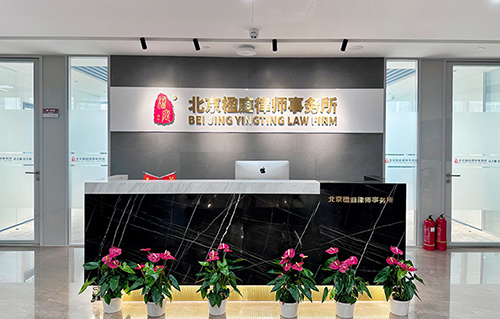
Beijing Yingtong Law Firm has focused on the protection of the rights and interests of private enterprises for many years. It has represented many corporate rights protection cases in the legal practice of rights protection in natural resources, mining, land, waters, territorial space, corporate equity, criminal defense, factory demolition, environmental protection shutdown, prohibition and vacation, etc., including large-scale real estate...








What administrative penalties are set by laws, administrative regulations, and local regulations? What kind of restriction on personal freedom?
Home page >> Ying Ting Information >> Legal information
Article author:Yingting Lawyers Group | Update time:2019-04-28 | Reading times:418
Article introduction: What administrative penalties can be set by laws, administrative regulations, and local regulations? Which can restrict personal freedom?
Part One: Law
Article 9 of the Administrative Penalty Law stipulates that the law may set various administrative penalties. Administrative penalties that restrict personal freedom can only be set by law. This article is the legal provision on the power to set administrative penalties.
Legal analysis:It refers to the creation and regulation of a power. "Setting" is different from "provision". The main difference is that setting has the meaning of innovation. Since the power to set administrative penalties first involves the division of legislative power, countries generally follow the following guidelines in setting the power of administrative penalties: The Yingting Demolition Group learned that, first, the power to set administrative penalties is concentrated in representative organs (legislatures); second, administrative agencies must have clear and specific authorization to set administrative penalties; third, the penalties set by administrative agencies are generally lighter and have less impact. Paragraph 2 of this article emphasizes that "administrative penalties that restrict personal freedom can only be prescribed by law." This special provision is exclusive, that is, except for laws, no other form of normative document may stipulate administrative penalties involving citizens' personal freedom. The right to personal freedom is the most basic right among civil rights. Restricting personal freedom is a very severe punishment. Only the law can stipulate such punishment. Even if it is stipulated by law, a cautious attitude must be adopted.

Part Two: Administrative Regulations
Article 10 of the Administrative Penalty Law stipulates that administrative regulations may set administrative penalties other than restricting personal freedom.
The law has provided for administrative penalties for illegal acts, and if administrative regulations need to provide specific provisions, they must be provided within the scope of the acts, types and extent of administrative penalties prescribed by law. This article stipulates the authority of administrative regulations to set administrative penalties.
Legal analysis:Administrative regulations are formulated by the State Council. There are two points to understand regarding the establishment of administrative regulations and the power to stipulate administrative penalties: first, in addition to administrative penalties that restrict personal freedom, administrative regulations can set other types of administrative penalties; second, administrative penalties stipulated in administrative regulations cannot exceed the scope of administrative penalties stipulated in existing laws. This law gives administrative regulations the power to set administrative penalties, but at the same time it also imposes certain restrictions. These restrictions include the two aspects mentioned earlier:
1. Regarding the right to set. Administrative regulations cannot set administrative penalties that restrict personal freedom. This is a rigid principle. In addition to this exclusionary provision, administrative regulations can set the remaining five categories of penalties.
2. Regarding the right to regulate. If the law has provided for administrative penalties for illegal acts, administrative regulations may make specific provisions on the law if necessary. However, the provisions of administrative regulations on administrative penalties cannot exceed the behaviors, types and extents stipulated in the original law. That is to say, if the law does not impose license revocation penalties for certain illegal acts, but only imposes fines, administrative regulations cannot add additional types of penalties; if the law has already stipulated the range of administrative penalties, administrative regulations can only stipulate penalties within the range of penalties.

Part Three: Local Regulations
Article 11 of the Administrative Penalty Law stipulates that local regulations may set administrative penalties other than restricting personal freedom and revoking an enterprise's business license. Laws and administrative regulations have already stipulated administrative penalties for illegal acts. If local regulations need to make specific provisions, they must be within the scope of the acts, types and extent of administrative penalties stipulated in laws and administrative regulations. This article stipulates the power of local regulations to set administrative penalties.
Legal analysis:Local regulations refer to normative documents formulated and approved by the People's Congress of a province, autonomous region, or municipality directly under the Central Government and its standing committee, and implemented in this region or a certain region. Ying Ting believes that local regulations must not conflict with the Constitution, laws, and administrative regulations. This article also has strict restrictive provisions on the power to set administrative penalties in local regulations. This law stipulates the power of local regulations to set administrative penalties in two different situations:
1. Paragraph 1 of this article stipulates that local regulations may set administrative penalties other than restricting personal freedom and revoking an enterprise's business license. The local people's congresses at the provincial level shall formulate local regulations on special issues in the province (such as banning firecrackers, restricting dog breeding, etc.), or may formulate local regulations first when laws and administrative regulations (such as family planning, etc.) have not yet been enacted. Such regulations can set various administrative penalties in addition to physical penalties and revocation of business licenses. If there are national laws and administrative regulations in the future, then the provisions of the laws and administrative regulations must be implemented, and the provisions that are not in compliance with the laws and administrative regulations must be modified accordingly.
2. If there are already laws and administrative regulations as stipulated in the second paragraph of this article, local regulations can be specified in accordance with the specific local conditions and the provisions on administrative penalties in laws and administrative regulations. However, the provisions of laws and administrative regulations on which illegal acts should be subject to administrative penalties, what types of administrative penalties should be imposed and the extent of administrative penalties should not be exceeded.

Yingting reminds you:
1. If the company you run is punished by relevant departments for environmental reasons or other reasons. If you think the handling by the relevant departments is inappropriate, you can safeguard your legitimate rights and interests in accordance with Article 35 of the Administrative Penalty Law. That is, Article 35 of the Administrative Penalty Law stipulates that if the party concerned is dissatisfied with the administrative penalty decision made on the spot, he may apply for administrative reconsideration or file an administrative lawsuit in accordance with the law. If your business building is illegally demolished, you can also apply for administrative reconsideration or file an administrative lawsuit. If you encounter unclear legal issues, you can consult a professional lawyer to find a solution.
2. At the same time, please pay attention to the following legal deadlines to avoid missing the opportunity to protect your rights.
(1) Article 9 of the Administrative Reconsideration Law stipulates that if citizens, legal persons or other organizations believe that a specific administrative act infringes upon their legitimate rights and interests, they may file an application for administrative review within 60 days from the date of becoming aware of the specific administrative act; however, exceptions are made where the application period prescribed by law exceeds 60 days. If the statutory application deadline is delayed due to force majeure or other legitimate reasons, the application deadline will continue to be calculated from the date the obstacle is removed.
(2) Article 44 of the Administrative Litigation Law stipulates that for administrative cases within the scope of the People's Court, citizens, legal persons or other organizations may first apply to the administrative agency for reconsideration. If they are not satisfied with the reconsideration decision, they may then file a lawsuit with the People's Court; they may also file a lawsuit directly with the People's Court. Laws and regulations stipulate that one must first apply to the administrative agency for reconsideration. If one is dissatisfied with the reconsideration decision and then files a lawsuit in the People's Court, the provisions of laws and regulations shall apply. Article 45 stipulates that citizens, legal persons or other organizations that are dissatisfied with the review decision may file a lawsuit with the People's Court within 15 days from the date of receipt of the review decision. If the review authority fails to make a decision within the time limit, the applicant may file a lawsuit with the People's Court within fifteen days from the expiration of the review period. Except as otherwise provided by law. Article 46 stipulates that if a citizen, legal person or other organization directly files a lawsuit with the People's Court, it shall do so within six months from the date when it knows or should know that the administrative action has been taken. Except as otherwise provided by law. Except for cases filed over real estate, the People's Court will not accept cases filed more than five years from the date of administrative action.
Previous article:The difference between the sale and purchase of demolition resettlement houses and the sale and purchase of general commercial houses
Recommended reading
- Mineral rights mortgage financing: a new financing path for private mining companies
- Should the government’s investment promotion agreement be scrapped at the drop of a hat? The law has your back!
- Mining in the name of land leveling? The Central Inspection Team is exposed! Mine bosses, please don’t step into this trap.
- Mining license renewal delayed? The new regulations stipulate that a reply must be made within 15 days
- New opportunities for administrative reconsideration: increased litigation winning rate, smoother rights protection channels
- Mineral rights mortgage financing: a new financing path for private mining companies
- Should the government’s investment promotion agreement be scrapped at the drop of a hat? The law has your back!
- Mining in the name of land leveling? The Central Inspection Team is exposed! Mine bosses, please don’t step into this trap.
- Are companies being fined too much for small things? Court: The punishment is inappropriate and must be corrected!
- New opportunities for administrative reconsideration: increased litigation winning rate, smoother rights protection channels