Law firm introduction More》
Beijing Yingtong Law Firm has focused on the protection of the rights and interests of private enterprises for many years. It has represented many corporate rights protection cases in the legal practice of rights protection in natural resources, mining, land, waters, territorial space, corporate equity, criminal defense, factory demolition, environmental protection shutdown, prohibition and vacation, etc., including large-scale real estate...
Law firm services
Law firm personnel More》








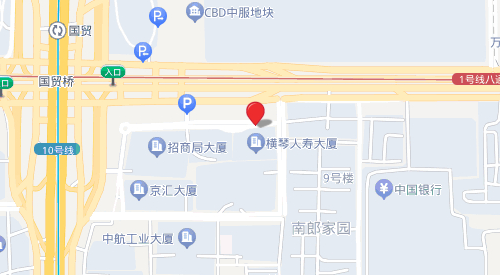
Visiting address More》
[Enterprise demolition] If the demolition compensation is not received, can the lessee company sue?
Home page >> Ying Ting Information >> Legal information
Article author:Yingting Lawyers Group | Update time:2019-05-21 | Reading times:522
If the demolition compensation is not received, can the lessee company sue?
Regarding the issue of whether the lessee company can receive demolition compensation, we have published similar articles before. Generally speaking, lessee companies can receive compensation. But what we are sharing with you today is a case in which a lessee company sued as a plaintiff but was dismissed.
Mr. Xu from Hubei is a farmer. In order to operate the farm, he signed a wasteland contract and a pond leasing contract and a supplementary agreement with the local village committee, and went through relevant business procedures such as industrial and commercial, tax registration, and catering license for the farm restaurant. In 2012, local land acquisition work began with the approval of the provincial government. Subsequently, Mr. Xu’s house and facilities were demolished. Mr. Xu was very dissatisfied and filed a lawsuit.
But why did the court say that Mr. Xu was not qualified to be a plaintiff? It turns out that the Supreme People's Court's "Regulations on Several Issues Concerning the Trial of Administrative Cases Involving Rural Collective Land" clearly stated that when expropriating rural collective land involves houses and other real estate on the expropriated land, the land rights holder may request compensation in accordance with the provisions of Article 42, Paragraph 2 of the Property Law. The owners, use rights holders and land rights holders of the expropriated land as stipulated in the above provisions refer to the right holders of the property rights of the expropriated real estate.
In this case, the village committee of the local village is the owner of the land, and the third party is the owner of the contracted management right of the land. Some of the business premises and related facilities rented by Mr. Xu have operating rights and income rights based on the lease agreement, which are in the nature of creditor's rights. He is not the obligee of the property rights of the expropriated real estate, and is not an expropriated person in the legal relationship of collective land expropriation. As a lessee, he has no legal interest in the administrative actions of collective land expropriation, so he is not a qualified plaintiff in this case. Moreover, Mr. Xu and the lessor have already agreed in the lease agreement on the distribution of compensation during expropriation and demolition, so all Mr. Xu can do is to claim rights against the lessor based on the content of the agreement.
Through this case, we would like to remind all entrepreneurs that if they have no choice but to rent a house and site, they must clearly state in the lease contract how they will be divided without compensation in the event of expropriation and demolition. Because once the lessor becomes greedy for money, the lessee who does not have the protection agreed in the contract is likely to be left dumb and unable to get a penny. Since lessee enterprises are generally not recognized as compensation objects in law and cannot receive compensation directly from the demolishers, they must ensure that they can receive compensation from the lessor when they encounter losses due to production suspension and relocation.
Another thing to note is that the lessee company must seek professional help in a timely manner, and do not be careless and ignore the demolition, and have to deal with problems on your own when problems arise. With professional personnel helping the leasing company, the company can avoid many detours, saving time, effort and worry.
Previous article:[Illegal forced demolition] In case of demolition, will the house be demolished by the developer? That's not okay
Recommended reading
- Mineral rights mortgage financing: a new financing path for private mining companies
- Should the government’s investment promotion agreement be scrapped at the drop of a hat? The law has your back!
- Mining in the name of land leveling? The Central Inspection Team is exposed! Mine bosses, please don’t step into this trap.
- Mining license renewal delayed? The new regulations stipulate that a reply must be made within 15 days
- New opportunities for administrative reconsideration: increased litigation winning rate, smoother rights protection channels
- Mineral rights mortgage financing: a new financing path for private mining companies
- Should the government’s investment promotion agreement be scrapped at the drop of a hat? The law has your back!
- Mining in the name of land leveling? The Central Inspection Team is exposed! Mine bosses, please don’t step into this trap.
- Are companies being fined too much for small things? Court: The punishment is inappropriate and must be corrected!
- New opportunities for administrative reconsideration: increased litigation winning rate, smoother rights protection channels