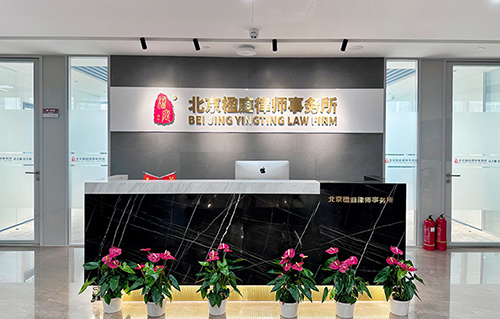
Beijing Yingtong Law Firm has focused on the protection of the rights and interests of private enterprises for many years. It has represented many corporate rights protection cases in the legal practice of rights protection in natural resources, mining, land, waters, territorial space, corporate equity, criminal defense, factory demolition, environmental protection shutdown, prohibition and vacation, etc., including large-scale real estate...








It is very difficult for the demolition households to obtain evidence for illegally demolishing houses. The demolition party should bear the burden of proof!
Home page >> Ying Ting Information >> Legal information
Article author:Yingting Lawyers Group | Update time:2019-05-21 | Reading times:540
Introduction to the article: Houses were illegally demolished, and the people who were demolished were single and weak, and some evidence could not be obtained at all. Why should all the evidence come from the common people? It is very difficult for the demolition households to obtain evidence for illegally demolishing houses. The demolition party should bear the burden of proof!
1. In practice, it is very difficult to obtain evidence from demolished households.
If a house is demolished, the person concerned has no idea who is responsible for the demolition because he or she has not received any legal documents. Ying Ting believed that some parties had received legal documents, and even if they speculated on who might be responsible for the forced demolition, they could not provide sufficient evidence. Even if the person concerned has witnessed the entire demolition process with his own eyes, he or she can often only videotape and take photos to obtain evidence. However, videography and photography are prohibited in most situations, and the personal freedom of the person involved may be restricted. During the process of forced demolition and illegal demolition, it is very difficult to obtain evidence from the demolished persons.
2. Main facts to be proved in administrative compulsory litigation
1. The party filing the lawsuit has an interest in the demolished house
2. Forced demolitions exist objectively
3. The person responsible for the forced demolition
4. Is the procedure for forced demolition legal?

3. Legal provisions on the burden of proof
1. Article 34 of the Administrative Litigation Law stipulates that the defendant bears the burden of proof for the administrative action taken and shall provide evidence and normative documents based on which the administrative action was taken.
2. Article 49 of the Administrative Litigation Law: To initiate a lawsuit, the following conditions must be met:
(1) The plaintiff is a citizen, legal person or other organization that complies with the provisions of Article 25 of this Law;
(2) There is a clear defendant;
(3) There are specific litigation claims and factual basis;
(4) It falls within the scope of the People’s Court and the jurisdiction of the People’s Court subject to the lawsuit.
3. "Regulations of the Supreme People's Court on Several Issues Concerning Evidence in Administrative Litigation"
The Yingting Court held that the defendant bears the burden of proof for the specific administrative act taken. If the defendant fails to provide evidence or provides evidence beyond the time limit without justifiable reasons, it will be deemed that there is no corresponding evidence for the specific administrative act being charged. Article 4 stipulates that when citizens, legal persons or other organizations file a lawsuit in the People's Court, they shall provide corresponding evidence and materials that meet the conditions for prosecution.
Editor/original author: Legal Department of Yingting Law Firm
Previous article:[Land transfer] Real estate and construction | Illegal transfer of state-owned land at a low price was sentenced to six months in prison
Next article:If a "non-demolition house" is demolished by mistake, who is responsible?
Recommended reading
- Mineral rights mortgage financing: a new financing path for private mining companies
- Should the government’s investment promotion agreement be scrapped at the drop of a hat? The law has your back!
- Mining in the name of land leveling? The Central Inspection Team is exposed! Mine bosses, please don’t step into this trap.
- Mining license renewal delayed? The new regulations stipulate that a reply must be made within 15 days
- New opportunities for administrative reconsideration: increased litigation winning rate, smoother rights protection channels
- Mineral rights mortgage financing: a new financing path for private mining companies
- Should the government’s investment promotion agreement be scrapped at the drop of a hat? The law has your back!
- Mining in the name of land leveling? The Central Inspection Team is exposed! Mine bosses, please don’t step into this trap.
- Are companies being fined too much for small things? Court: The punishment is inappropriate and must be corrected!
- New opportunities for administrative reconsideration: increased litigation winning rate, smoother rights protection channels