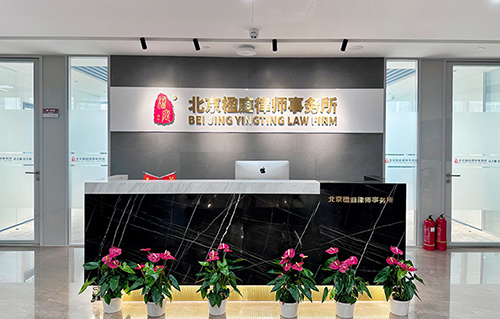
Beijing Yingtong Law Firm has focused on the protection of the rights and interests of private enterprises for many years. It has represented many corporate rights protection cases in the legal practice of rights protection in natural resources, mining, land, waters, territorial space, corporate equity, criminal defense, factory demolition, environmental protection shutdown, prohibition and vacation, etc., including large-scale real estate...








If a "house that shouldn't be demolished" is demolished by mistake, who should be held responsible for compensation? -Yingting demolition lawyer
Home page >> Ying Ting Information >> Legal information
Article author:Yingting Lawyers Group | Update time:2019-08-12 | Reading times:1055
Introduction to the article: During the demolition process, the government entrusts demolition companies and others to organize forced demolition in the form of civil actions, but the government liability does not therefore transform into civil liability. If a "non-demolition house" is demolished by mistake, how should I be held accountable? The illegal demolition carried out under the guise of accidental demolition is also suspected of illegal demolition.
1. Basic facts of this case
Plaintiff: Demolished person
Defendant: Demolition Party
When a house demolition company demolished the old buildings surrounding the house involved, it demolished the house involved as well. Who should be held responsible for the consequences of accidental demolition during the demolition process?

2. Focus of controversy in this case
Ying Ting believes that the focus of the dispute in this case is, when the house demolition company (civil subject) admits that it demolished the house involved alone, should the consequences of its behavior be attributed to the appellee (the expropriation office and the street), and be regarded as their official behavior and bear the corresponding legal consequences?
3. Who bears the responsibility?
1. The appellant believes that according to Article 5 of the "Regulations on House Expropriation and Compensation on State-owned Land", the house expropriation department should bear legal responsibility for the consequences of the actions of its entrusting unit. That is to say, even if there is accidental demolition, the administrative agency should be responsible. The Yingting Demolition Group learned that during the expropriation process, a third party was entrusted to engage in specific transactional work, and the entrusting party should be held responsible for the actions of its trustee. The houses involved have not yet been expropriated and compensated, so it is illegal to demolish them.

2. The entrusting party should first bear responsibility for the actions of the construction party within the scope of the entrustment. As for the so-called mistaken demolition caused by management, supervision and communication errors between the two parties, it is within the scope of the demolition of the old house signed by both parties. The corresponding liability can be pursued in accordance with the contract, but it cannot be used against the victim and the public. Therefore, it should be considered that within the scope of the expropriation red line, the expropriation office has a guarantee obligation for the demolition of demolished houses by the demolition trustee, that is, to ensure that all the houses arranged for demolition have completed the house expropriation compensation procedures. Even if this case is indeed caused by the demolition company's mistake in demolishing the house, the expropriation management department should still bear the responsibility.
4. Under the guise of accidental demolition, it is actually illegal demolition, and it can be presumed that the organization and implementation party is responsible.
A Chinese-American opened a factory. When the factory failed to reach a demolition agreement with the town government, its factory building was razed to the ground. The business owner negotiated many times, but was treated negatively by the town government. Later, the matter was exposed by the media, and the town government responded: It was demolished by mistake! The town government insisted that the engineering team demolished the wrong place and that the town government had nothing to do with the matter. Later, the business owners sought relief through legal channels such as administrative review and administrative litigation. From the perspective of legal practice, illegal demolition is also suspected of illegal demolition under the guise of mistaken demolition.

Yingting reminds you:
If you are facing land acquisition and eviction, be sure to stay clear-headed. In the face of forced demolition, it is necessary to retain evidence of forced demolition and protect one's legitimate rights and interests through legal channels. If the demolition and expropriation procedures are illegal, you can apply for administrative reconsideration or file an administrative lawsuit. Remember not to demolish the house on your own, but to sign a resettlement agreement and receive reasonable compensation before vacating the house. What can you do if you have objections to resettlement compensation? According to the relevant laws and regulations of our country, the expropriated and demolished persons can file an administrative review within 60 days of receiving the expropriation decision, expropriation compensation decision and other specific administrative actions, and file an administrative lawsuit within 6 months. If your house is forcibly demolished, you must file a lawsuit to defend your rights within 6 months of knowing the date of demolition. If you have not negotiated compensation terms with the government, you can consult a lawyer specializing in land acquisition and demolition, or ask a lawyer to intervene and negotiate with the government using professional legal knowledge to strive for fair and satisfactory compensation.
Previous article:Why has your demolition and resettlement compensation decreased? -Yingting demolition lawyer
Next article:Yingting demolition lawyer-Does the assessment result determine the amount of compensation?
Recommended reading
- Mineral rights mortgage financing: a new financing path for private mining companies
- Should the government’s investment promotion agreement be scrapped at the drop of a hat? The law has your back!
- Mining in the name of land leveling? The Central Inspection Team is exposed! Mine bosses, please don’t step into this trap.
- Mining license renewal delayed? The new regulations stipulate that a reply must be made within 15 days
- New opportunities for administrative reconsideration: increased litigation winning rate, smoother rights protection channels
- Mineral rights mortgage financing: a new financing path for private mining companies
- Should the government’s investment promotion agreement be scrapped at the drop of a hat? The law has your back!
- Mining in the name of land leveling? The Central Inspection Team is exposed! Mine bosses, please don’t step into this trap.
- Are companies being fined too much for small things? Court: The punishment is inappropriate and must be corrected!
- New opportunities for administrative reconsideration: increased litigation winning rate, smoother rights protection channels