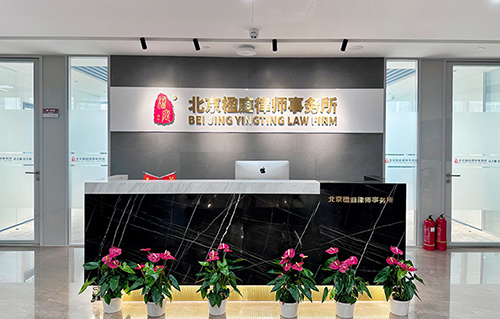
Beijing Yingtong Law Firm has focused on the protection of the rights and interests of private enterprises for many years. It has represented many corporate rights protection cases in the legal practice of rights protection in natural resources, mining, land, waters, territorial space, corporate equity, criminal defense, factory demolition, environmental protection shutdown, prohibition and vacation, etc., including large-scale real estate...








What is illegal construction? Detailed explanation of illegal construction (what is the legal basis for illegal construction)
Home page >> Ying Ting Information >> Legal information
Article author:Yingting Lawyers Group | Update time:2023-06-06 | Reading times:269
With the continuous acceleration of the modernization process, living standards have improved, and material wealth has increased. It can be said that for modern people, the countryside is another kind of life. With the end of rural land rights confirmation, the state's supervision of land has become more and more strict. In the past, rural houses were built however they wanted, which also led to chaos in rural houses.
In order to better rectify this phenomenon, a large number of illegal buildings were demolished. During the illegal construction, they were demolished inexplicably. So what are illegal buildings? The so-called illegal buildings refer to buildings constructed without obtaining the relevant content of the rural construction planning permit and the construction project planning permit in accordance with the law. It mainly depends on whether there is evidence of building a house and whether there is illegal land occupation.
Illegal demolition of buildings cannot be compensated, resulting in huge economic losses. Illegal buildings include: (1) Buildings, structures and facilities that have not obtained a construction project planning permit; or although a construction project planning permit has been obtained, construction has not been carried out in accordance with the scope and content approved by the planning permit. (2) Self-built or self-modified houses, including: unauthorized modifications and additions to buildings or structures (including modifications on contracted land and homesteads, addition of fans, etc.).
); or buildings that change the functions of industrial plants, houses and other buildings without authorization; (3) Temporary buildings refer to buildings that apply to the land planning authority for a temporary construction permit. Buildings used within the approval period shall be demolished by themselves. If the approval period exceeds the approval period, the land must be restored to its original state, that is, the temporary construction will not be approved; temporary construction is not carried out in accordance with the approved content; temporary buildings that have not been demolished beyond the demolition period;
(4) Other buildings or structures that violate laws and administrative regulations. When the house is demolished, you will be informed in the "Decision Ordering Demolition within a Time Limit": "If you are not satisfied with this decision, the party concerned may apply for administrative reconsideration within 60 days or file an administrative lawsuit within 6 months." This is the legal remedy for the demolished households. If the house is without a certificate, it does not necessarily violate the law.
It is recommended that you do not panic when encountering such problems and consult a professional lawyer when you are unsure.
The legal knowledge in this article does not represent legal advice. If you encounter similar problems, you should analyze them in detail. If you want to know more about this, you can consult a lawyer on this site for one-on-one online consultation.
Recommended reading
- Mineral rights mortgage financing: a new financing path for private mining companies
- Should the government’s investment promotion agreement be scrapped at the drop of a hat? The law has your back!
- Mining in the name of land leveling? The Central Inspection Team is exposed! Mine bosses, please don’t step into this trap.
- Mining license renewal delayed? The new regulations stipulate that a reply must be made within 15 days
- New opportunities for administrative reconsideration: increased litigation winning rate, smoother rights protection channels
- Mineral rights mortgage financing: a new financing path for private mining companies
- Should the government’s investment promotion agreement be scrapped at the drop of a hat? The law has your back!
- Mining in the name of land leveling? The Central Inspection Team is exposed! Mine bosses, please don’t step into this trap.
- Are companies being fined too much for small things? Court: The punishment is inappropriate and must be corrected!
- New opportunities for administrative reconsideration: increased litigation winning rate, smoother rights protection channels