Law firm introduction More》
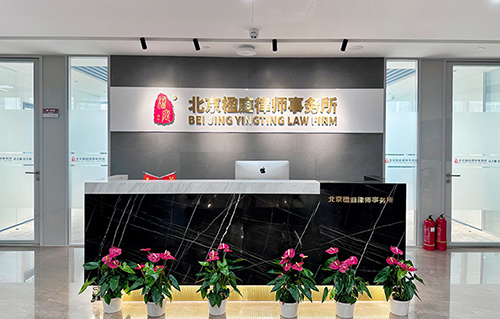
Beijing Yingtong Law Firm has focused on the protection of the rights and interests of private enterprises for many years. It has represented many corporate rights protection cases in the legal practice of rights protection in natural resources, mining, land, waters, territorial space, corporate equity, criminal defense, factory demolition, environmental protection shutdown, prohibition and vacation, etc., including large-scale real estate...
Law firm services
Law firm personnel More》








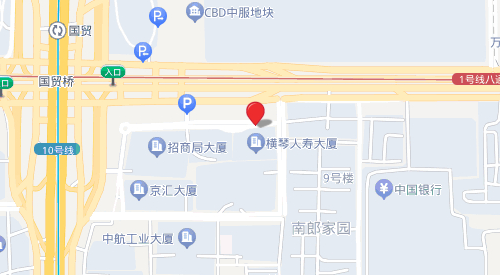
Visiting address More》
A brief analysis of the issue of listing third parties in the indictment of administrative cases
Home page >> Ying Ting Information >> Legal information
Article author:Yingting Lawyers Group | Update time:2019-04-15 | Reading times:684
【Abstract】With the continuous deepening of the reform of the judicial system, the promulgation and implementation of the new Administrative Procedure Law and its judicial interpretations, the pilot work of people’s courts across administrative divisions has been gradually carried out, and the professional and standardized characteristics of people’s courts across administrative divisions have gradually been reflected. In the filing of administrative cases, we often encounter situations where a third party is listed in the administrative complaint. Regarding the issue of whether it is appropriate for the plaintiff to list a third party in the complaint, there are three different understandings in practice. Which one is in line with the legal provisions and can best reflect the third party’s original intention to participate in the lawsuit? This article starts from studying the provisions of Article 29 of the "Administrative Litigation Law of the People's Republic of China", carefully studies the concept, characteristics, methods and time of participating in the litigation of the third party, and draws the conclusion that the third party should not be listed in the administrative complaint.
The filing of administrative cases is highly professional. During the work, we must strictly implement the legal provisions of the Administrative Litigation Law and its judicial interpretations regarding the acceptance of cases, accurately grasp the time for third parties to participate in litigation and the ways in which third parties are allowed to participate in litigation by law, and actively guide parties to write complaints and express their demands in a rational, legal and standardized manner in accordance with the law. Further standardize the administrative case filing process to achieve professionalization and standardization of administrative case filing.
[Keywords]: Administrative case, indictment, list, third party
【Text】:
With the continuous deepening of the reform of the judicial system, the promulgation and implementation of the new Administrative Procedure Law and its judicial interpretations, the pilot work of people's courts across administrative divisions has been gradually carried out, and the professional and standardized characteristics of people's courts across administrative divisions have gradually been reflected. In the filing of administrative cases, we often encounter situations where a third party is listed in the administrative complaint. For example, in a dispute over the administrative confirmation of work-related injuries in which the Human Resources and Security Bureau is the defendant, the employer or the employee identified as having a work-related injury will be listed as a third party.
Regarding the listing of a third party in an administrative complaint, there are three different views in practice:
This view holds that as long as the content of the complaint meets the four requirements stipulated in Article 49 of my country's Administrative Litigation Law, the case will be registered. The reason is: During the case filing stage, only the formal review of the complaint is done. How to list the rights of the parties as the plaintiffs? From the perspective of protecting the plaintiff’s rights, the listing of the third party in the complaint will not be reviewed.
The second view: It is believed that a preliminary review should be conducted for cases where a third party is listed in the complaint. If the third party listed in the complaint is qualified, the plaintiff is allowed to list it in the complaint, and vice versa. The reason is: Allowing qualified third parties to be listed in the indictment will facilitate early notification of the case to the third party, facilitate the People's Court to ascertain the facts of the case, shorten the trial cycle, and make correct judgments, which will help save judicial resources and improve trial efficiency.
The third view: It is believed that according to the relevant provisions of the Administrative Litigation Law, a third party cannot be listed in the complaint of an administrative case.
So in practice, which understanding conforms to legal provisions and can best reflect the original intention of a third party to participate in litigation?
The author believes that third parties cannot be listed in the indictment of administrative cases.
According to Article 29 of the Administrative Litigation Law: Citizens, legal persons or other organizations that have an interest in the administrative act being sued but have not filed a lawsuit, or have an interest in the outcome of the case, may apply to participate in the lawsuit as a third party, or be notified by the People's Court to participate in the lawsuit. It can be seen that the third party in administrative litigation refers to a citizen, legal person or organization that has an interest in the administrative act being sued and participates in the litigation in order to safeguard its own legitimate rights and interests. According to the provisions of this article, a third party in administrative litigation can only participate in the ongoing litigation of others, that is, after the case is accepted and before the trial is concluded. If the lawsuit has not yet begun, there is no question of a third party participating in the lawsuit. If the lawsuit has ended, the third party cannot participate in the lawsuit. If he is dissatisfied with the administrative act being sued, he can only file a separate lawsuit as the plaintiff. The law stipulates that there are only two ways for a third party to participate in administrative litigation: first, the third party applies and is reviewed by the People's Court to participate; second, the People's Court notifies the party ex officio. Third parties participate in litigation in order to protect their own interests, avoid the loss of rights or assume certain obligations, prevent the people's courts from making contradictory judgments, and cause a waste of judicial resources, thereby prompting the people's courts to hear cases in a timely manner and improve litigation efficiency.
Listing a third party in the complaint of an administrative case obviously requires the third party to participate in the litigation of the administrative case sued by the plaintiff, regardless of whether the third party is willing or not. In this way, the third party will be in a passive position when participating in the litigation, which is no different from the passivity and necessity of the defendant's administrative agency to respond to the lawsuit. Some people may think that the plaintiff did not regard the third party as the defendant, but from the actual situation, the third party has occupied the position of the defendant. If the plaintiff is allowed to name a third party in the administrative complaint, it will easily lead to abuse of litigation or even malicious litigation. Therefore, it is inappropriate to list the third party’s point of view in the administrative complaint.
It is believed that listing a qualified third party in the administrative complaint can not only protect the plaintiff's litigation rights to the greatest extent, but also save trial time. Since it requires a review process to determine whether the listed third party has a legal interest in the outcome of the case, it is too simple and hasty to judge whether the listed third party is qualified based on the content of the plaintiff's complaint during the case filing stage. The presiding judge or the collegial panel should review and determine that there is indeed an interest, and then notify the third party to participate in the lawsuit. Moreover, the purpose of a third party's participation in litigation is to protect its own legitimate rights and interests. Whether to participate in litigation is a right granted to the third party by the law, so the rights of the third party are also protected by the law. The plaintiff's listing of a third party in the complaint not only has no legal basis, but also violates the third party's voluntariness to participate in the lawsuit.
The Administrative Litigation Law clearly stipulates that there are only two ways for a third party to participate in the litigation. No matter which way, it is after the case is accepted and before the trial is concluded. The third party was notified by the people's court to participate in the litigation ex officio in order to cooperate with the court in ascertaining the truth. The court is a judicial authority, and its notification itself is mandatory, while the plaintiff in an administrative lawsuit does not have judicial enforcement power. Therefore, listing a third party in the administrative complaint violates the judicial coercion power of the people's court.
To sum up, a third person should not be listed in an administrative complaint. Administrative case filing is highly professional. In work practice, if a third person is listed in an administrative complaint, the case filer should explain and guide the plaintiff to rewrite the complaint or delete the third person from the complaint before filing the case.
When handling administrative cases, we must strictly implement the legal provisions of the Administrative Procedure Law and its judicial interpretations regarding the acceptance of cases, accurately grasp the time for third parties to participate in litigation and the ways in which third parties are allowed to participate in litigation by law, and actively guide parties to write complaints and express their demands in a rational, legal and standardized manner in accordance with the law. Further standardize the administrative case filing process to achieve professionalization and standardization of administrative case filing.
Previous article:Analysts say that demolition conflicts have become the most common conflicts in China.
Next article:Li Mingjie
Recommended reading
- Mineral rights mortgage financing: a new financing path for private mining companies
- Should the government’s investment promotion agreement be scrapped at the drop of a hat? The law has your back!
- Mining in the name of land leveling? The Central Inspection Team is exposed! Mine bosses, please don’t step into this trap.
- Mining license renewal delayed? The new regulations stipulate that a reply must be made within 15 days
- New opportunities for administrative reconsideration: increased litigation winning rate, smoother rights protection channels
- Mineral rights mortgage financing: a new financing path for private mining companies
- Should the government’s investment promotion agreement be scrapped at the drop of a hat? The law has your back!
- Mining in the name of land leveling? The Central Inspection Team is exposed! Mine bosses, please don’t step into this trap.
- Are companies being fined too much for small things? Court: The punishment is inappropriate and must be corrected!
- New opportunities for administrative reconsideration: increased litigation winning rate, smoother rights protection channels