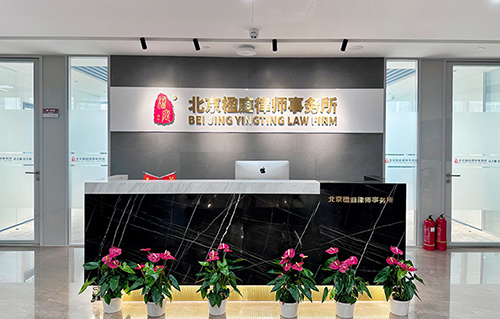
Beijing Yingtong Law Firm has focused on the protection of the rights and interests of private enterprises for many years. It has represented many corporate rights protection cases in the legal practice of rights protection in natural resources, mining, land, waters, territorial space, corporate equity, criminal defense, factory demolition, environmental protection shutdown, prohibition and vacation, etc., including large-scale real estate...








Real Estate Dispute Lawyer: Legal Provisions for Property Owners and Residential Rights Owners
Home page >> Ying Ting Information >> Legal information
Article author:Yingting Lawyers Group | Update time:2023-07-13 | Reading times:155
Generally speaking, the owner of a house is the owner of the house. When the owner of a house transfers the right to use the house to another person, the right of possession is separated from the ownership, and the owner of the right of residence has the right to use the house independently. So can the property owner evict the permanent resident owner? Let’s learn more about it with Yingting Law Firm.
Specializing in legal affairs such as administrative litigation and criminal litigation related to land acquisition and demolition, he has extensive experience in administrative reconsideration, administrative litigation and civil litigation in real estate disputes. Since his practice, he has represented and consulted on thousands of real estate dispute cases including land expropriation, house demolition, land ownership disputes, land infringement, house sales, and real estate mortgages in 28 provinces and municipalities, involving hundreds of millions of yuan in assets, and has accumulated rich experience in handling cases.
Can the property owner evict the permanent resident holder? The owner cannot evict the person with the right of residence, and the person with the right of residence has the right to use the house. If the negotiation fails, he can call the police or litigate to resolve the matter. The person with the right of residence has the right to enjoy the usufructuary right to occupy and use other people's residences in accordance with the contract to meet daily needs. Article 369 of the Civil Code stipulates that the right of residence is established at the time of registration.
The right of residence shall not be transferred, inherited or established. The residence shall not be rented out, except as otherwise agreed by the parties. If the term of the right of residence expires or the owner of the right of residence dies, the right of residence shall be terminated. If the right of residence is extinguished, the registration shall be canceled in a timely manner.
In addition, according to the tenancy principle, even if the owner transfers the ownership of the house to a third party, it will not affect the
The validity of the lease contract means that the holder of the right of residence can still continue to live in and use the house, and the owner and a third party are not allowed to evict the holder of the right of residence at will.
Legal basis: Article 366 of the Civil Code of the People's Republic of China stipulates that the holder of the right of residence has the right to enjoy the usufructuary right to occupy and use the residence of others in accordance with the contract to meet the needs of living and residence.
Article 323 of the Civil Code of the People's Republic of China stipulates that the usufruct holder shall have the right to possess, use and benefit from the real estate or movables owned by others in accordance with the law. If you want to know more about this, you can consult lawyer Ying Ting for one-on-one online consultation.
The legal knowledge in this article does not represent legal advice. If you encounter similar problems, you should analyze them in detail.
Previous article:Which department is the most effective to deal with if the landlord refuses to refund the deposit?
Next article:Can land be expropriated without signing? Is it illegal?
Recommended reading
- Mineral rights mortgage financing: a new financing path for private mining companies
- Should the government’s investment promotion agreement be scrapped at the drop of a hat? The law has your back!
- Mining in the name of land leveling? The Central Inspection Team is exposed! Mine bosses, please don’t step into this trap.
- Mining license renewal delayed? The new regulations stipulate that a reply must be made within 15 days
- New opportunities for administrative reconsideration: increased litigation winning rate, smoother rights protection channels
- Mineral rights mortgage financing: a new financing path for private mining companies
- Should the government’s investment promotion agreement be scrapped at the drop of a hat? The law has your back!
- Mining in the name of land leveling? The Central Inspection Team is exposed! Mine bosses, please don’t step into this trap.
- Are companies being fined too much for small things? Court: The punishment is inappropriate and must be corrected!
- New opportunities for administrative reconsideration: increased litigation winning rate, smoother rights protection channels