Law firm introduction More》
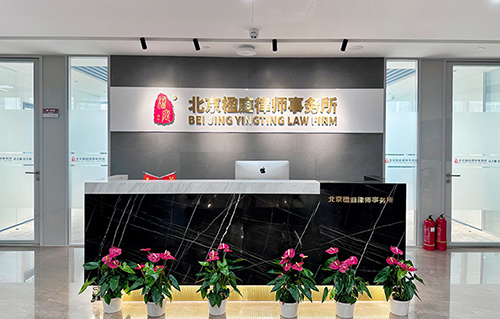
Beijing Yingtong Law Firm has focused on the protection of the rights and interests of private enterprises for many years. It has represented many corporate rights protection cases in the legal practice of rights protection in natural resources, mining, land, waters, territorial space, corporate equity, criminal defense, factory demolition, environmental protection shutdown, prohibition and vacation, etc., including large-scale real estate...
Law firm services
Law firm personnel More》








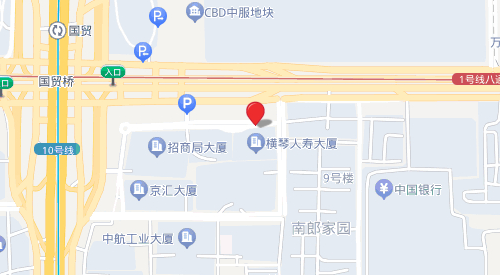
Visiting address More》
Yingting Seminar: The demarcation of legal boundaries between mining rights and equity was unanimously recognized by experts
Home page >> Ying Ting Information >> Yingting news
Article author:Yingting Lawyers Group | Update time:2026-03-23 | Reading times:701
At a recent mining expert seminar held by Yingting Law Firm, the professional views of the Yingting Mining Lawyer Team on "There is an essential difference between the transfer of company equity and the transfer of exploration rights" were highly recognized by many authoritative experts present at the meeting. A number of experts from top universities such as China University of Political Science and Law, National School of Administration, and Inner Mongolia University fully affirmed the views of Yingting's legal team and further emphasized that: equity transfer is regulated by the "Company Law" and is a transfer of shareholders' rights; and the transfer of exploration rights, as a change in usufructuary rights subject to administrative permission, must strictly follow the approval procedures stipulated in the "Mineral Resources Law".

(Photograph of Yingting Mining Lawyers Team and visiting experts)
During the discussion, participating experts and the Yingting legal team further clarified the core differences between the two: the subject of equity transfer is the shareholder, and the subject is the equity, which usually does not require approval from the natural resources department; while the subject of the transfer of exploration rights is the mining rights holder, and the subject is the exploration right itself, which must undergo strict administrative licensing and change registration before it can take effect. It further clarified the legal boundary of "equity changes are not equivalent to the transfer of mining rights", effectively correcting misunderstandings in practice.

(Expert seminar site)
The Yingting legal team emphasized that mining companies must accurately distinguish the legal boundaries and approval procedures for equity transfers and mining rights transfers. If mining rights holders encounter difficult and complex legal issues such as exploration rights disputes, please feel free to contact us at any time. We will help you with our professional wisdom and formulate specific case-handling strategies to better protect your legitimate rights and interests.
Previous article:Yin Sibo
Recommended reading
- Mineral rights mortgage financing: a new financing path for private mining companies
- Should the government’s investment promotion agreement be scrapped at the drop of a hat? The law has your back!
- Mining in the name of land leveling? The Central Inspection Team is exposed! Mine bosses, please don’t step into this trap.
- Mining license renewal delayed? The new regulations stipulate that a reply must be made within 15 days
- New opportunities for administrative reconsideration: increased litigation winning rate, smoother rights protection channels
- Mineral rights mortgage financing: a new financing path for private mining companies
- Should the government’s investment promotion agreement be scrapped at the drop of a hat? The law has your back!
- Mining in the name of land leveling? The Central Inspection Team is exposed! Mine bosses, please don’t step into this trap.
- Are companies being fined too much for small things? Court: The punishment is inappropriate and must be corrected!
- New opportunities for administrative reconsideration: increased litigation winning rate, smoother rights protection channels