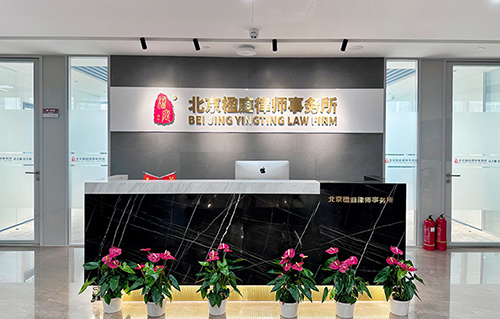
Beijing Yingtong Law Firm has focused on the protection of the rights and interests of private enterprises for many years. It has represented many corporate rights protection cases in the legal practice of rights protection in natural resources, mining, land, waters, territorial space, corporate equity, criminal defense, factory demolition, environmental protection shutdown, prohibition and vacation, etc., including large-scale real estate...








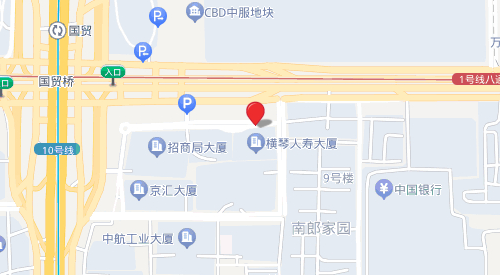
If a company's factory building is forcibly demolished and its equipment is damaged, should it be compensated?
Home page >> Classic case >> State compensation
Article author:Yingting Lawyers Group | Update time:2022-11-11 | Reading times:1397
Case history: Ms. Li owned a factory in Lanzhou and was engaged in plastic processing. In 2008, due to development and construction needs, a real estate company in Lanzhou demolished her house in the name of "shantytown renovation." In March 2009, Ms. Li received a demolition restriction notice issued by the competent department.
More than ten days later, the competent authorities organized a forced demolition of Ms. Li's factory, and the production equipment and a large number of items in the factory were damaged. Later, Ms. Li hired a lawyer to help deal with the matter, successfully protected her legal rights and received satisfactory compensation.
This case involves administrative compensation, so what is administrative compensation? It mainly refers to a system in which the state is liable for compensation when state administrative agencies and their staff infringe upon the legitimate rights and interests of individuals, legal persons or other organizations and cause damage during the exercise of their powers.
What laws and regulations are involved in this case? There are mainly the following three laws and regulations, namely Article 12 of the Administrative Litigation Law, Article 17 of the Regulations on the Expropriation and Compensation of Houses on State-owned Land, and Article 4 of the State Compensation Law.
"Administrative Litigation Law"
Article 12 The courts accept the following lawsuits filed by citizens, legal persons or other organizations:
(6) Applying to the administrative agency to perform its statutory duties of protecting personal rights, property rights and other legitimate rights and interests, but the administrative agency refuses to perform or fails to respond;
(12) It is believed that administrative agencies have infringed upon the personal rights, property rights and other legitimate rights and interests of others.
"Regulations on Expropriation and Compensation of Houses on State-owned Land"
Article 17 The compensation provided to the expropriated persons by the municipal and county-level competent authorities that make the decision on house expropriation includes:
(1) Compensation for the value of the expropriated house;
(2) Compensation for relocation and temporary resettlement caused by house expropriation;
(3) Compensation for losses caused by suspension of production and business due to house expropriation.
Municipal and county-level competent departments should formulate subsidies and reward measures to provide subsidies and rewards to the expropriated persons.
"State Compensation Law"
Article 4 If administrative agencies and their staff infringe on property rights in any of the following situations when exercising their administrative powers, the victim has the right to obtain compensation: illegally imposing administrative penalties such as fines, revocation of permits and licenses, orders to suspend production and business, confiscation of property;
Administrative compulsory measures such as sealing, detaining, and freezing of property are illegally taken; illegal expropriation and expropriation of property; and other illegal acts causing property damage.
Lawyer Ying Ting believes that when companies encounter similar situations where factories are illegally demolished, they should assert their rights in accordance with current laws, through reconsideration or litigation. Generally this can be done by:
1. When faced with the threat of illegal infringement, formally submit a request for protection to the local public security agency in writing and keep the receipt of service.
2. Call the police for help immediately when you are violated.
3. After being infringed, request a case to be investigated and the infringer to be held criminally responsible.
4. Submit an administrative review or administrative lawsuit to the court for administrative inaction at the appropriate time.
5. Litigation is not an end but a means. Promote the resolution of disputes and obtain reasonable compensation through litigation.
According to the provisions of my country's "Administrative Litigation Law", the evidence in administrative litigation includes documentary evidence, physical evidence, audio-visual materials, etc., and the burden of proof in administrative litigation lies with the defendant. The expropriated person only needs to provide the audio-visual materials and property list of illegal demolitions.
This legal knowledge does not represent legal advice. If you encounter similar problems, you should analyze them in detail.
Previous article:Lawyer Lu Yongqiang: What are the differences between administrative compensation and administrative compensation?
Next article:The brick factory was shut down and demolished due to power outage. What should I do? Can I get compensation?
Recommended reading
- Mineral rights mortgage financing: a new financing path for private mining companies
- Should the government’s investment promotion agreement be scrapped at the drop of a hat? The law has your back!
- Mining in the name of land leveling? The Central Inspection Team is exposed! Mine bosses, please don’t step into this trap.
- Mining license renewal delayed? The new regulations stipulate that a reply must be made within 15 days
- New opportunities for administrative reconsideration: increased litigation winning rate, smoother rights protection channels
- Mineral rights mortgage financing: a new financing path for private mining companies
- Should the government’s investment promotion agreement be scrapped at the drop of a hat? The law has your back!
- Mining in the name of land leveling? The Central Inspection Team is exposed! Mine bosses, please don’t step into this trap.
- Are companies being fined too much for small things? Court: The punishment is inappropriate and must be corrected!
- New opportunities for administrative reconsideration: increased litigation winning rate, smoother rights protection channels