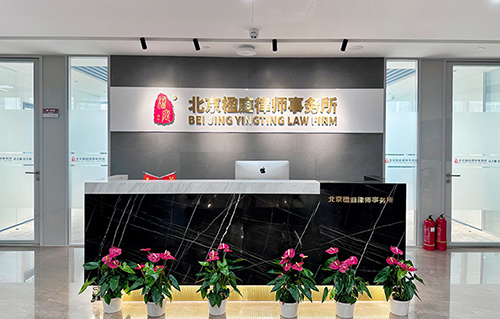
Beijing Yingtong Law Firm has focused on the protection of the rights and interests of private enterprises for many years. It has represented many corporate rights protection cases in the legal practice of rights protection in natural resources, mining, land, waters, territorial space, corporate equity, criminal defense, factory demolition, environmental protection shutdown, prohibition and vacation, etc., including large-scale real estate...








How to protect rights and interests when encountering demolition, problems with demolished houses (what to do when encountering demolition problems)
Home page >> Business areas >> Enterprise demolition
Article author:Yingting Lawyers Group | Update time:2023-06-06 | Reading times:444
In the practice of demolition, most conflicts are caused by the inability of the two parties to reach an agreement on compensation. The rights protection of the demolished people is mainly to achieve reasonable or even higher compensation demands. Compensation is undoubtedly the core issue in the entire demolition process. Generally speaking, if the demolisher can make reasonable compensation in accordance with the law, the demolished people are still willing to cooperate with the expropriation work.
But the problem is that in order to save demolition costs or even seek their own interests, many demolition parties will always withhold some compensation payments and make up less if they can. This forces the demolished people to make every effort to strive for reasonable compensation through various rights protection means. When encountering compensation disputes, it is important for the demolition households to have a strong awareness of rights protection and take active rights protection actions, but some rights protection misunderstandings must also be avoided.
If there are the following two rights protection misunderstandings, discrimination will hinder the fight for reasonable compensation. Misunderstanding 1: As long as I don't sign, the government can't demolish my house. In the minds of many people being demolished, as long as I don't sign, the demolishers will have nothing to do with me. The result is that the compensation is low, so they just kill time at home without other rights protection actions, no signatures, no lawsuits, thinking that if they delay, they can force the demolition party to compromise, and if they delay, they can increase the compensation.
But from a practical point of view, many demolished people who chose "consumption" were forced to be demolished in the end. The situations described by many parties in the consultation can reflect the fact that "the house was demolished without a signature." This demolition practice can prove the common people's thinking that "the expropriating party will not dare to demolish my house without signing." In fact, the law provides mandatory solutions to the situation of "unable to reach an agreement."
According to the provisions of Articles 26 and 28 of State Council Order No. 590, the municipal and county-level people's governments that make the house expropriation decision shall make compensation decisions and apply to the People's Court for enforcement in accordance with the law. In other words, if the demolished people have been wasting time, did nothing after receiving the compensation decision, and did not conduct reconsideration or litigation relief within the statutory period, then the demolished people can finally apply for judicial demolition. This is a legal method of treatment that the demolished people cannot stop, let alone legally safeguard their rights.
Therefore, since everyone has refused to sign and decided to defend their rights, they must make the correct response afterwards, knowing that it is better to defend their rights sooner rather than later. If the compensation given by the demolishers is indeed unreasonable and obviously low, and in this case the demolishers have completely legitimate reasons and have a lot of room to fight for, then they must bring relief to some procedures in time, and do not miss the key rights protection node.
Some people turn a good hand of cards into mincemeat and wait until all relief rights have been missed before seeking legal help. At this time, the lawyer is powerless. Misunderstanding 2: You can only hire a lawyer to protect your rights after the house is demolished. Although some people who have been demolished have a strong awareness of rights protection and know that the demolishers have committed some illegal acts and want to seek legal help, they don’t know when to do so.
They wonder whether they have to wait until the house is demolished before initiating legal proceedings to protect their legitimate rights and interests. In fact, for the purpose of increasing compensation, "demolish the house first and then defend rights" is a major ideological misunderstanding because the house is our most reliable bargaining chip. Only when the house and its related property rights documents are complete can we have sufficient initiative in negotiations.
If the house has been demolished, then the bargaining chip will be lost, which will inevitably cause great difficulties and resistance to subsequent rights protection. Before and after the house is demolished, the competition for space, the effect of rights protection, and the difficulty of rights protection are all very different. Once the house is demolished, it will be more difficult to achieve the goal of legal relief. Therefore, in view of the low compensation standard, if you have the tendency to entrust a lawyer to intervene, it is best to do it before you have signed a compensation agreement.
The legal knowledge in this article does not represent legal advice. If you encounter similar problems, you should analyze them in detail. If you want to know more about this, you can consult a lawyer on this site for one-on-one online consultation.
Recommended reading
- Mineral rights mortgage financing: a new financing path for private mining companies
- Should the government’s investment promotion agreement be scrapped at the drop of a hat? The law has your back!
- Mining in the name of land leveling? The Central Inspection Team is exposed! Mine bosses, please don’t step into this trap.
- Mining license renewal delayed? The new regulations stipulate that a reply must be made within 15 days
- New opportunities for administrative reconsideration: increased litigation winning rate, smoother rights protection channels
- Mineral rights mortgage financing: a new financing path for private mining companies
- Should the government’s investment promotion agreement be scrapped at the drop of a hat? The law has your back!
- Mining in the name of land leveling? The Central Inspection Team is exposed! Mine bosses, please don’t step into this trap.
- Are companies being fined too much for small things? Court: The punishment is inappropriate and must be corrected!
- New opportunities for administrative reconsideration: increased litigation winning rate, smoother rights protection channels