Law firm introduction More》

Beijing Yingtong Law Firm has focused on the protection of the rights and interests of private enterprises for many years. It has represented many corporate rights protection cases in the legal practice of rights protection in natural resources, mining, land, waters, territorial space, corporate equity, criminal defense, factory demolition, environmental protection shutdown, prohibition and vacation, etc., including large-scale real estate...

Law firm personnel More》
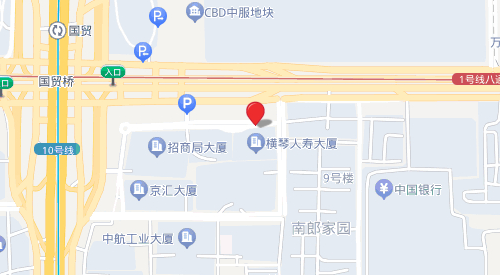
Visiting address More》

How to request state compensation if your house has been illegally demolished

Home page >> Business areas >> State compensation

Article author:Yingting Lawyers Group | Update time:2022-11-10 | Reading times:1206

In practice, it is not uncommon for houses to be forcibly demolished and demolished without judicial procedures. This is also the root cause of many shocking cases of demolition and murder. For the violent and illegal demolition of the demolished people without completing the procedures stipulated by law, it is a serious illegal act that seriously infringes on the legitimate rights and interests of the demolished people. Through the early government information disclosure, investigation and application, and the initiation of reconsideration or litigation procedures, the rights are protected in accordance with the law. Once the house is forcibly demolished or illegally demolished, you have the full right to use the power granted by the "State Compensation Law" to pursue the legal responsibility of the relevant responsible persons.
According to the provisions of the "State Compensation Law of the People's Republic of China", a compensation claimant may request state compensation when applying for administrative reconsideration and filing an administrative lawsuit, or may first submit it to the agency responsible for compensation after the administrative act is confirmed to be illegal. The agency responsible for compensation shall provide compensation within two months from the date of receipt of the application; if compensation is not granted within the time limit or the compensation claimant has objections to the amount of compensation, the compensation claimant may file a lawsuit with the People's Court within three months from the expiration of the period.
Regarding the time limit for requesting state compensation. The statute of limitations for a compensation claimant to request state compensation is two years, starting from the date when the behavior of state agencies and their staff when exercising their powers is confirmed to be illegal in accordance with the law, but the period of detention is not included. Moreover, the provisions on the suspension of the statute of limitations apply to the effectiveness of this claim. That is, if the claimant for compensation is unable to exercise the right of claim due to force majeure or other obstacles within the last six months of the statute of limitations for the claim for compensation, the statute of limitations shall be suspended. The limitation period for compensation claims will continue to be calculated from the date the reason for suspending the limitation period is eliminated.
When encountering forced demolition by administrative agencies, the demolished persons can either file a request for administrative compensation in an administrative lawsuit filed against the forced demolition by the administrative agency, and the people's court will make a judgment in accordance with the law. They can also first confirm that the administrative agency's administrative demolition is illegal, and then submit a compensation request to the agency responsible for compensation after the court's decision confirms its illegality. The agency responsible for compensation will provide compensation within two months from the date of receipt of the application. If compensation is not granted within the time limit or if there is any objection to the amount of compensation, a lawsuit can be filed with the people's court within three months from the expiration of the period.

Related tags: