Law firm introduction More》
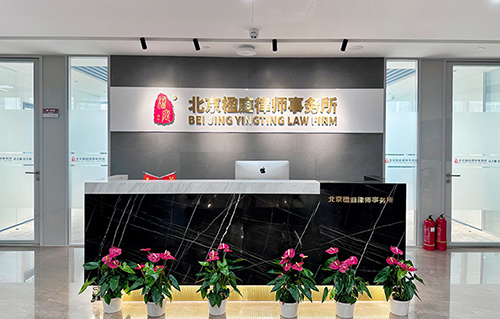
Beijing Yingtong Law Firm has focused on the protection of the rights and interests of private enterprises for many years. It has represented many corporate rights protection cases in the legal practice of rights protection in natural resources, mining, land, waters, territorial space, corporate equity, criminal defense, factory demolition, environmental protection shutdown, prohibition and vacation, etc., including large-scale real estate...
Law firm services
Law firm personnel More》








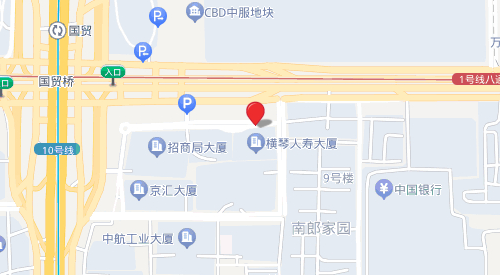
Visiting address More》
Mining Seminar: Will the local government confiscate the mineral rights granted by the Ministry of Finance? Lawyer Ying Ting pointed out: ultra vires and invalid!
Home page >> Business areas >> mineral resources
Article author:Yingting Lawyers Group | Update time:2026-03-26 | Reading times:448
Recently, in the mining practice in Inner Mongolia, Guangxi and other places, there has been chaos in which local natural resources departments tried to use "internal replies" to deny the legality of the transfer of exploration rights approved by the Ministry of Natural Resources, and used this as a basis for fines and confiscations. Can lower-level agencies exceed their authority and revoke higher-level administrative permission through "externalization of internal documents"?

The Beijing Yingting Mining Lawyers Group clearly pointed out at the seminar that this behavior is seriously illegal and invalid. There are three conclusions: first, the powers are statutory, and the issuance of certificates at the ministerial level is highly exclusive, and local governments have no power to review or revoke them; second, internal actions cannot be externalized, and the reply letter does not have external legal effect and is strictly prohibited as evidence of punishment; third, to maintain the power of administrative fairness, the denial of superiors by subordinates will undermine the unity of the legal system.
Experts at the meeting unanimously agreed that according to the Administrative Licensing Law, if a local department makes an illegal determination of the effective license of the Ministry of Natural Resources, it is a typical violation of legal authority and is invalid from the beginning. Regardless of the mining rights cases involving Heilongjiang or Sichuan, no agency shall arbitrarily deny a valid license without legal procedures.

The Yingting legal team breaks away from physical entanglements and breaks through the pain points of law enforcement from the perspective of procedural justice. It provides mining companies with strong theoretical support for reconsideration and litigation in response to improper administrative penalties, and effectively defends a legalized business environment.
Previous article:Yingting Research | Briefly explore the establishment and effectiveness of contracts in the transfer model of exploration rights and mining rights
Recommended reading
- Mineral rights mortgage financing: a new financing path for private mining companies
- Should the government’s investment promotion agreement be scrapped at the drop of a hat? The law has your back!
- Mining in the name of land leveling? The Central Inspection Team is exposed! Mine bosses, please don’t step into this trap.
- Mining license renewal delayed? The new regulations stipulate that a reply must be made within 15 days
- New opportunities for administrative reconsideration: increased litigation winning rate, smoother rights protection channels
- Mineral rights mortgage financing: a new financing path for private mining companies
- Should the government’s investment promotion agreement be scrapped at the drop of a hat? The law has your back!
- Mining in the name of land leveling? The Central Inspection Team is exposed! Mine bosses, please don’t step into this trap.
- Are companies being fined too much for small things? Court: The punishment is inappropriate and must be corrected!
- New opportunities for administrative reconsideration: increased litigation winning rate, smoother rights protection channels