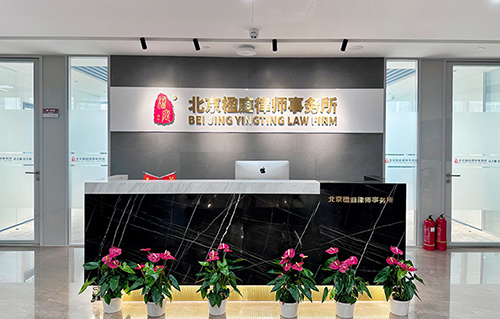
Beijing Yingtong Law Firm has focused on the protection of the rights and interests of private enterprises for many years. It has represented many corporate rights protection cases in the legal practice of rights protection in natural resources, mining, land, waters, territorial space, corporate equity, criminal defense, factory demolition, environmental protection shutdown, prohibition and vacation, etc., including large-scale real estate...








Self-check list for mining rights holders: none of these 8 items should be omitted
Home page >> Business areas >> mineral resources
Article author:Yingting Lawyers Group | Update time:1970-01-01 | Reading times:189
Self-check list for mining rights holders: none of these 8 items should be omitted
The exploration and mining activities of mineral resources are characterized by high investment, high risk, and long cycle. If the mineral rights holder neglects compliance management, it will easily lead to administrative penalties and even criminal liability risks. In the author’s many years of mining legal service practice, there are many cases where people were punished due to missing information and insufficient fulfillment of obligations. The implementation of the "Measures for the Management of Exploration and Mining Information of Mineral Rights Owners" in 2024 and the supporting promulgation of the "Regulations on the Implementation of the Mineral Resources Law" in 2026 further refine the list of legal obligations of mineral rights holders. This article sorts out eight core contents that mining rights holders should focus on self-examination to help companies build a firm bottom line of compliance.
According to the provisions of Articles 6 and 7 of the "Measures for the Management of Exploration and Mining Information of Mining Rights Owners", mining rights holders must fill in and report exploration and mining information as required. The Measures clearly delineate the boundaries of legal obligations that mineral rights holders must fulfill, specifically covering the following eight aspects:
The contents that the exploration right holder must self-examine include: first, the basic information of the exploration unit, including the name and address of the unit undertaking the exploration work; second, the amount of annual exploration investment funds, the completion of major physical workloads such as exploration projects and sample analysis, and whether an exploration results report has been prepared; third, Exploration mineral types, exploration stages, and whether comprehensive exploration and evaluation of co-associated minerals are carried out; fourth, whether the remaining shafts are sealed and filled in a timely manner after the exploration operation is completed; fifth, relevant fees are paid in accordance with relevant provisions of laws and regulations on mineral resources management; sixth, the fulfillment of the obligation to submit geological data.
The contents that the mining right holder must self-examine include: first, the status of the mine, the actual mining and utilization of minerals, and whether to prepare an annual report on mine reserves, submit a basic reserve statistical table, comprehensively utilize mineral resources, carry out mine ecological restoration and other basic information; secondly, the mining recovery rate, mineral processing recovery rate, comprehensive utilization rate, ore extraction volume, tailings, waste rock and associated minerals utilization; thirdly, the payment of relevant fees in accordance with regulations; fourthly, the fulfillment of geological data collection obligations.
It is worth noting that according to Article 6 of the "Regulations on the Implementation of the Mineral Resources Law", mineral resource exploration and mining activities must comply with relevant plans for mineral resources. Mining rights holders must ensure that their exploration and mining activities are consistent with the approved mineral resource planning to avoid compliance risks caused by inconsistent planning.
In judicial practice, cases in which administrative penalties are imposed due to failure to perform information reporting obligations or statutory obligations are typical. During the validity period of the mining license, a mining company in a certain province failed to fill in the annual mine reserves report on time. According to the relevant provisions of the "Mining Rights Owner Exploration and Mining Information Management Measures", the natural resources department determined that the information was filled in illegally, and was restricted in the subsequent mining rights renewal review and approval. The court in this case held that mining rights holders have the obligation to promptly and accurately submit exploration and mining information in accordance with the law. Late submission or inaccurate information constitutes a violation of the administrative supervision order. The administrative penalty decisions made by administrative agencies in accordance with the law have clear facts and legal procedures.
The enlightenment of this case to mineral rights holders is that filling in exploration and mining information is not a simple administrative procedure, but a core compliance matter related to the survival and continuation of mining rights. Once identified as a seriously untrustworthy entity, it will face serious consequences such as being included in the abnormal list or even having its license revoked.
Based on the above legal analysis and case studies, the author puts forward the following practical suggestions for mineral rights holders:
First, establish a regular information filling mechanism. It is recommended that mining rights holders complete the reporting of exploration and mining information for the previous year before March 31 of each year, and set up a dedicated person to be responsible for filling in and checking the information to ensure that the reported content is true, accurate and complete.
Second, focus on annual reserves reports and ecological restoration obligations. The preparation and submission of annual mine reserve reports, and the substantial advancement of comprehensive utilization and ecological restoration are key areas of current supervision, and mineral rights holders must pay sufficient attention to them.
Third, regularly conduct compliance self-examination and risk investigation. It is recommended that mining rights holders compare the above eight items and organize a comprehensive compliance self-inspection at least once a year to promptly discover and rectify potential violation risks to avoid administrative penalties caused by the accumulation of small problems.
Mining rights compliance management has a long way to go. Only by tightening the string of compliance can mining rights holders be able to make steady and long-term progress in the development and utilization of mineral resources. If you encounter specific legal issues, it is recommended to consult a professional mining legal service agency in a timely manner.
——Lawyer Liu Jingzhu, Beijing Yingting Law Firm
Please consult a professional lawyer for specific questions. This content does not constitute legal advice.
Previous article:The three types of mineral rights are at risk of being withdrawn. See if you are involved.
Recommended reading
- Mineral rights mortgage financing: a new financing path for private mining companies
- Should the government’s investment promotion agreement be scrapped at the drop of a hat? The law has your back!
- Mining in the name of land leveling? The Central Inspection Team is exposed! Mine bosses, please don’t step into this trap.
- Mining license renewal delayed? The new regulations stipulate that a reply must be made within 15 days
- New opportunities for administrative reconsideration: increased litigation winning rate, smoother rights protection channels
- Mineral rights mortgage financing: a new financing path for private mining companies
- Should the government’s investment promotion agreement be scrapped at the drop of a hat? The law has your back!
- Mining in the name of land leveling? The Central Inspection Team is exposed! Mine bosses, please don’t step into this trap.
- Are companies being fined too much for small things? Court: The punishment is inappropriate and must be corrected!
- New opportunities for administrative reconsideration: increased litigation winning rate, smoother rights protection channels