Law firm introduction More》
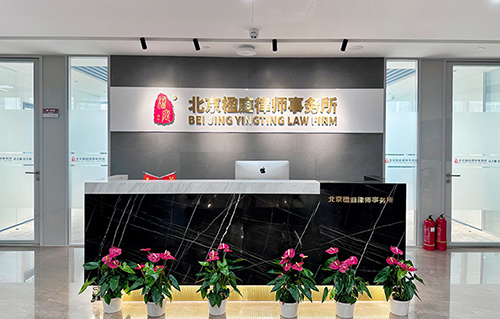
Beijing Yingtong Law Firm has focused on the protection of the rights and interests of private enterprises for many years. It has represented many corporate rights protection cases in the legal practice of rights protection in natural resources, mining, land, waters, territorial space, corporate equity, criminal defense, factory demolition, environmental protection shutdown, prohibition and vacation, etc., including large-scale real estate...
Law firm services
Law firm personnel More》








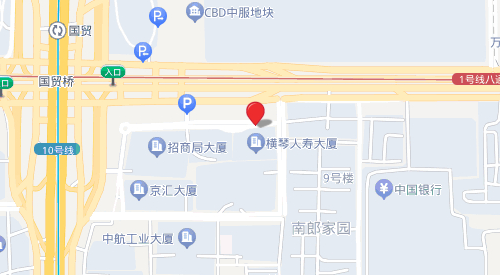
Visiting address More》
The first administrative case was awarded compensation of 8.41 million, and the real estate company won the case!
Home page >> Business areas >> administrative agreement
Article author:Yingting Lawyers Group | Update time:2026-04-20 | Reading times:239
Administrative agencies have stamped their seals on paper, but have been slow to fulfill their promises - this kind of thing really happened, and private enterprises won.In order to promote land expropriation, the administrative agency of a city in Henan Province promised in the form of meeting minutes that as long as a real estate company comes forward to advance land acquisition compensation on behalf of the administrative agency, it will provide preferential treatment or compensation in terms of land transfer, floor area ratio, supporting fees, etc. in the future. The company acted in good faith and performed as agreed, resolving land acquisition disputes for the administrative agencies, and the project progressed smoothly - but the administrative agencies' promises were not fulfilled.
The company filed a complaint in court and lost both the first and second instances. However, after a retrial, the Supreme People's Court revealed a "new sword": According to Article 70 of the Private Economy Promotion Law, it was determined that the administrative promises of administrative agencies are legally binding, and that keeping promises and fulfilling promises is the basic obligation of administrative agencies to build a predictable business environment. In the end, the Supreme People's Court revoked the original judgment, comprehensively considering factors such as the background of the loss, the responsibilities of both parties, and project profits, and ordered a certain city's administrative agency and the Natural Resources Planning Bureau to pay compensation of more than 8.41 million yuan to the company. Overdue interest must be calculated based on the loan interest rate. This is also the first administrative case adjudicated by the Supreme People's Court applying the Private Economy Promotion Law, which is of landmark significance.
[Ying Ting Lawyer] reminds you that this case tells us: the commitments of administrative agencies are not just casual remarks. Administrative commitments written in black and white and stamped with official seals can be held accountable according to law. In practice, many private enterprises encounter the dilemma of "verbal promises not being fulfilled" and "reversing the promises when the administration changes" in the process of cooperating with administrative agencies, but they swallow their silence because they do not understand the legal path. Yingting Law Firm has been involved in civil and commercial disputes for many years, focusing on the protection of the rights and interests of private enterprises. If you encounter problems such as breach of contract by administrative agencies, administrative dishonesty, etc., please feel free to contact us at any time to help you safeguard your rights according to law.
Administrative Promise Case of a Real Estate Company against the People's Government of a Municipality in Henan Province and the Natural Resources and Planning Bureau of a Municipality - If the administrative agency fails to fulfill its administrative commitment and causes losses to the legitimate rights and interests of private enterprises, it shall bear the liability for compensation
[Basic case facts]
In July 2010, the people's government of a city in Henan Province issued the minutes of the meeting involved in the case, agreeing that a real estate company should reach an agreement with the land-expropriated people on the compensation issue for the land involved in the case, and the real estate company would increase the compensation on the basis of the original compensation standard. For the additional compensation expenses and economic losses caused by a real estate company, the relevant departments of the People's Government of a certain city will provide preferential treatment and compensation in terms of land transfer, floor area ratio, supporting fees and other policies. In April 2012, a real estate company reached a mediation agreement with the people whose land was expropriated, and the people's government of a certain city stamped the seal in the upper right corner of the first page of the mediation agreement. A real estate company paid compensation to the villagers in accordance with the mediation agreement involved in the case, which solved the problem of land acquisition compensation and the construction of the development project was smoothly advanced. However, the compensation promised to a real estate company by a certain municipal people's government failed to be fully fulfilled. A real estate company believed that a certain city's people's government had failed to fulfill its compensation obligations, so it filed an administrative lawsuit with the People's Court, requesting that a certain city's people's government and a certain city's natural resources and planning bureau pay the land acquisition compensation, young crop compensation and occupied capital costs advanced by it.
【Referee result】
The first and second instance courts ruled to reject a certain real estate company’s claim, and a certain real estate company applied to the Supreme People’s Court for a retrial. The Supreme People's Court held in retrial that it is the legal obligation of local people's governments at or above the county level to expropriate collective land in accordance with the law and pay compensation. A real estate company obtained the use rights of the state-owned land involved in the case through public "bidding, auction, and listing" after the collective land was expropriated and converted into state-owned land. Because the dispute over expropriation and compensation could not be properly resolved, the people's government of a certain city agreed in the form of meeting minutes that a real estate company and the people whose land was expropriated signed a mediation agreement to increase the compensation fee. After a real estate company fulfilled the mediation agreement in accordance with the contract, the People's Government of a certain city failed to fulfill its administrative promise to transfer 40 acres of land through a separate agreement and to provide preferential treatment or compensation for the losses involved in the case, such as floor area ratio and supporting fees. The Supreme People's Court believes that administrative agencies should keep their promises and create a more stable, fair, transparent and predictable legal business environment. In accordance with the provisions of Article 70 of the Private Economy Promotion Law, the judgment of the first and second instance was revoked. Based on the background and reasons for the losses involved, the magnitude of the responsibilities of both parties, and the profits of the real estate projects involved, the People's Government of a certain city and the Natural Resources and Planning Bureau of a certain city were ordered to pay more than 8.41 million yuan to a real estate company within 15 days after the judgment came into effect. Interest on overdue payments will be calculated at the corresponding loan interest rate from the date of overdue payment to the date of actual payment.
【Typical meaning】
As my country's first basic law on the development of the private economy, the Private Economy Promotion Law is a landmark measure to implement the spirit of the Third Plenary Session of the 20th Central Committee of the Party and the spirit of General Secretary Xi Jinping's important speech at the Private Enterprise Symposium. It fully demonstrates the party and the country's clear stance and firm determination to encourage and support the development of the private economy. The key to implementing the Private Economy Promotion Law is to optimize the development environment of the private economy, supervise the exercise of powers by administrative agencies in accordance with the law, and ensure equal protection of the legitimate rights and interests of private enterprises in accordance with the law, so that everything has laws to follow, everyone knows and abides by the laws, and all parties act in accordance with the law. This case is the first administrative case adjudicated by the Supreme People’s Court applying the Private Economy Promotion Law. In this case, the People's Court comprehensively determined the cause of the dispute and fault liability, clarified the liability sharing ratio between the administrative agency and the counterparty, and determined a fair and reasonable amount of compensation in accordance with the law. Evaluating and regulating the behavior of administrative agencies that fail to fulfill their administrative promises and fail to take remedial measures demonstrates the People's Court's attitude towards in-depth implementation of the Party Central Committee's guidelines and policies to support the development of the private economy. It will help strengthen the role of administrative litigation in supervising administrative agencies to perform their duties in accordance with the law and keep their promises, and further promote the construction of a law-based government, an honest government, and a service-oriented government.
Recommended reading
- Mineral rights mortgage financing: a new financing path for private mining companies
- Should the government’s investment promotion agreement be scrapped at the drop of a hat? The law has your back!
- Mining in the name of land leveling? The Central Inspection Team is exposed! Mine bosses, please don’t step into this trap.
- Mining license renewal delayed? The new regulations stipulate that a reply must be made within 15 days
- New opportunities for administrative reconsideration: increased litigation winning rate, smoother rights protection channels
- Mineral rights mortgage financing: a new financing path for private mining companies
- Should the government’s investment promotion agreement be scrapped at the drop of a hat? The law has your back!
- Mining in the name of land leveling? The Central Inspection Team is exposed! Mine bosses, please don’t step into this trap.
- Are companies being fined too much for small things? Court: The punishment is inappropriate and must be corrected!
- New opportunities for administrative reconsideration: increased litigation winning rate, smoother rights protection channels