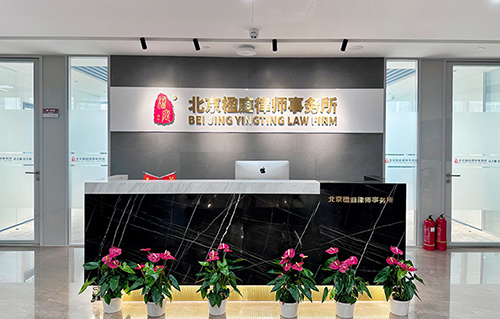
Beijing Yingtong Law Firm has focused on the protection of the rights and interests of private enterprises for many years. It has represented many corporate rights protection cases in the legal practice of rights protection in natural resources, mining, land, waters, territorial space, corporate equity, criminal defense, factory demolition, environmental protection shutdown, prohibition and vacation, etc., including large-scale real estate...








Analyzing the "Administrative Penalty Law", if you have been subject to administrative penalties, why should you pursue civil and criminal liability?
Home page >> Ying Ting Information >> Legal information
Article author:Yingting Lawyers Group | Update time:2019-04-25 | Reading times:391
Article introduction: Analysis of the "Administrative Penalty Law". If you have been subject to administrative penalties, why should you pursue civil and criminal liability? This article stipulates the different legal responsibilities that illegal actors should bear.
Part One: Original text of the law
Article 7 of the Administrative Punishment Law stipulates that citizens, legal persons or other organizations that are subject to administrative penalties for violating laws and whose illegal acts cause damage to others shall bear civil liability in accordance with the law. Illegal conduct constitutes a crime and criminal liability shall be investigated in accordance with the law. Administrative penalties shall not be used in lieu of criminal penalties.

Part 2: Legal Analysis
The different legal responsibilities that citizens, legal persons or other organizations should bear can be divided into civil liability and criminal liability.
1. Assumption of civil liability.
The imposition of administrative penalties is the administrative penalty liability borne by the parties for violating the law. It belongs to a different category of legal liability than civil liability, but it is caused by the same illegal act. The Yingting Demolition Group understands that the behavior of a person who is subject to administrative punishment and who also bears civil liability in accordance with the law is specific, that is, the perpetrator causes damage to others due to violation of the law. However, it should be noted that the main body that imposes administrative penalties is the administrative agency, and civil compensation liability must first be resolved through negotiation between the parties themselves. Mediation can be carried out. If an agreement is still not reached, it can be resolved through judicial channels through court judgment.

2. Assumption of criminal liability.
1. The illegal acts for which administrative penalties are imposed should theoretically not constitute crimes. If the circumstances and consequences are serious, it constitutes a crime. In order not to indulge in crimes, the law stipulates that criminal responsibility should be pursued. If when administrative punishment is about to be imposed, it is already known that the illegal actor's behavior constitutes a crime, the person can be directly transferred to the relevant department for prosecution and criminal punishment. Administrative punishment cannot be used in place of criminal punishment. On the contrary, if administrative penalties have been imposed, criminal penalties may still be imposed. Only administrative penalties that have been imposed must be taken into consideration when imposing criminal penalties.
2. Here, it is necessary to distinguish the behavior that bears criminal responsibility after administrative punishment from the principle of no more punishment in administrative punishment. The principle of no re-punishment in administrative penalties means that an illegal actor shall not be given administrative penalties more than twice based on the same facts and the same basis for the same illegal act. The same fact refers to the same illegal act; the same basis refers to the same legal basis. However, in practice, the same behavior often violates different legal provisions, resulting in the phenomenon of normative conflict.
3. Ying Ting believes that in this case, the general principles are: 1. When the same behavior violates two or more legal norms, it should be punished separately according to different legal norms. 2. If an administrative agency has already punished the offender, other administrative agencies shall not punish the offender again.With the sametype of punishment. 3. When imposing other types of punishments, the fact that the offender has been punished may be taken into consideration, and the punishment may be lighter or mitigated (the principle of no more punishment will be discussed in detail later).

Yingting reminds you:
The general idea of this article is that if you cause damage to others' personal or property due to administrative penalties, you should bear civil liability in accordance with the law. If it constitutes a criminal offense, you should bear criminal liability. Administrative penalties are independent and cannot replace civil liability and criminal liability. Business owners who run companies, factories, farms, shops, hotels, restaurants, etc., if you are subject to administrative penalties and are not satisfied with the penalties, or your legal house is demolished, or your legitimate rights and interests are otherwise infringed upon, please file an administrative reconsideration within 60 days of taking specific administrative actions and file an administrative lawsuit within 6 months. If your house is forcibly demolished, you must file a lawsuit to defend your rights within 6 months of knowing the date of demolition. Some relocated households will petition, but petitioning is not a legal channel, and no matter how long the petition lasts, it does not constitute a reason to interrupt the time limit for prosecution. Many people who were demolished were delayed in filing petitions and missed the statute of limitations. Even if they sued, the court would not accept it. Even if you find a lawyer, there is nothing you can do to help you! In practice, no matter how you report the situation to your superiors, report it to local staff, or visit everywhere, you can't actually solve the problem. What you only waste is your precious time to protect your rights and interests! If you cannot reach an agreement with the expropriation and demolition party, please contact a professional expropriation and demolition lawyer as soon as possible to find a solution.
Recommended reading
- Mineral rights mortgage financing: a new financing path for private mining companies
- Should the government’s investment promotion agreement be scrapped at the drop of a hat? The law has your back!
- Mining in the name of land leveling? The Central Inspection Team is exposed! Mine bosses, please don’t step into this trap.
- Mining license renewal delayed? The new regulations stipulate that a reply must be made within 15 days
- New opportunities for administrative reconsideration: increased litigation winning rate, smoother rights protection channels
- Mineral rights mortgage financing: a new financing path for private mining companies
- Should the government’s investment promotion agreement be scrapped at the drop of a hat? The law has your back!
- Mining in the name of land leveling? The Central Inspection Team is exposed! Mine bosses, please don’t step into this trap.
- Are companies being fined too much for small things? Court: The punishment is inappropriate and must be corrected!
- New opportunities for administrative reconsideration: increased litigation winning rate, smoother rights protection channels