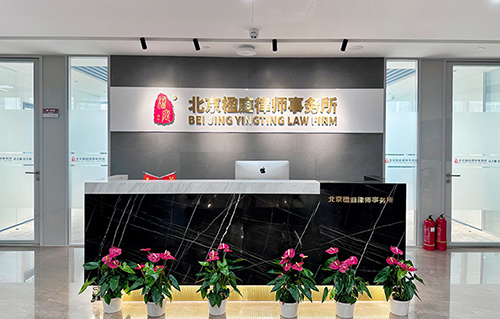
Beijing Yingtong Law Firm has focused on the protection of the rights and interests of private enterprises for many years. It has represented many corporate rights protection cases in the legal practice of rights protection in natural resources, mining, land, waters, territorial space, corporate equity, criminal defense, factory demolition, environmental protection shutdown, prohibition and vacation, etc., including large-scale real estate...








According to the provisions of the Administrative Litigation Law, under what circumstances can the court open a case? What to do if you don’t file a case?
Home page >> Ying Ting Information >> Legal information
Article author:Yingting Lawyers Group | Update time:2019-05-07 | Reading times:495
Article introduction: According to the provisions of the Administrative Litigation Law, under what circumstances can the court open a case? What to do if you don’t file a case?
Part One: Original text of the law
1. Article 51 of the Administrative Litigation Law stipulates that when the people's court receives a complaint, it shall register and file a case if it meets the conditions for prosecution specified in this law. If it cannot be determined on the spot whether the prosecution conditions stipulated in this Law are met, the complaint shall be received, a written certificate indicating the date of receipt shall be issued, and a decision shall be made within seven days whether to file the case. If the conditions for prosecution are not met, a ruling will be made not to file the case. The ruling shall state the reasons for not filing the case. If the plaintiff is dissatisfied with the ruling, he may appeal. If the content of the complaint is lacking or contains other errors, guidance and explanations shall be provided, and the parties shall be informed of the content that needs to be supplemented and corrected at once. It is not allowed to refuse to accept a complaint on the ground that it does not meet the conditions for prosecution without guidance and explanation. The Yingting Demolition Group learned that if the complaint is not received, a written certificate is not issued after receiving the complaint, and the parties are not notified at once of the contents of the complaint that need to be supplemented and corrected, the parties may complain to the higher people's court, and the superior people's court shall order corrections and impose sanctions on the directly responsible person in charge and other directly responsible personnel in accordance with the law.
2. Article 52 of the Administrative Litigation Law stipulates that if the people's court neither files the case nor makes a ruling not to file the case, the party concerned may file a lawsuit with the people's court at the next higher level. If the people's court at the higher level considers that the conditions for prosecution are met, it shall file the case and hear the case, or it may designate another lower people's court to file the case and hear the case.

Part 2: Legal Analysis
1. The People's Court shall file cases that meet the conditions for prosecution and protect the parties concerned from exercising their litigation rights in accordance with the law.
Interpretation: The expression "cases that meet the conditions for prosecution" is inappropriate and should be "prosecution of cases that meet the conditions for prosecution." The so-called prosecution that meets the conditions for prosecution mainly refers to the following four items: ① The administrative act complained of is an actionable administrative act (Note: Administrative acts that are subject to administrative review before litigation are not actionable administrative acts without administrative review); ② The prosecutor has an interest in the act; ③ The prosecution has not exceeded the prosecution deadline; ④ The litigation claims meet the requirements of the regulations.
[Two Key Points in Writing an Administrative Complaint] The petition is the core of the administrative complaint and often determines whether it will be accepted or not and whether it will be successful or not. Ying Ting believes that there are two key points in standardizing the writing of administrative appeals: first, determine the type of case being sued, and second, determine the appeal based on the judgment result of the case type. The basis for determining the case type and appeal is: Fafa [2004] No. 25, namely the "First Instance Administrative Judgment Style (Trial)" and Article 2 of this Interpretation. This is a secret book on litigation, and it is recommended that practitioners read it carefully.
2. For lawsuits filed by parties in accordance with the law, the People's Court shall accept the complaint in accordance with the provisions of Article 51 of the Administrative Litigation Law. If it can be judged that the conditions for prosecution are met, the case shall be registered and filed on the spot; if it cannot be judged on the spot whether the conditions for prosecution are met, the case shall be decided within seven days after receiving the complaint; if a judgment cannot be made within seven days, the case shall be filed first.

Interpretation: The provision of "all indictments will be accepted" is very [like]. Administrative prosecutors and their agents are advised to: ① If suing in person, ask for a “written voucher indicating the date of receipt”; ② If sending a letter, write down a clear list of materials and keep the receipt. (Note: The judge filing the case shall issue “a written certificate indicating the date of receipt”, which is the proper meaning stipulated in Section 51-2 of the new law)
If the content or materials of the complaint are lacking, the people's court shall fully inform the parties at one time of the content that needs to be supplemented and corrected, the supplementary materials and the time limit. If corrections are made within the designated period and the conditions for prosecution are met, the case shall be registered and filed. If the party refuses to make corrections or still fails to meet the conditions for prosecution after making corrections, the case shall be ruled not to be filed and the reasons for not filing the case shall be stated.
Interpretation: If the case cannot be notified at once or if there are other flaws in filing the case, it is recommended that the filing judge promptly file the case. "Evildoers" should let the administrative judge do it. If the parties concerned are dissatisfied with the decision not to register the case, they may appeal.

Yingting reminds you:
According to legal provisions, if the People's Court neither files a case nor makes a ruling not to file the case, the parties may file a lawsuit with the People's Court at the next higher level. If the people's court at the higher level considers that the conditions for prosecution are met, it shall file the case and hear the case, or it may designate another lower people's court to file the case and hear the case. When encountering a situation where the court refuses to file a case, the parties should proactively seek legal remedies, inquire about relevant policies and legal provisions, and consult professional lawyers on relevant legal issues. Don’t miss the opportunity to defend your rights by delaying the statute of limitations.
Previous article:Hydraulic Machinery Factory won the bid of 6.28 million yuan for 32 acres of state-owned land but failed to obtain the land 6 years after payment
Recommended reading
- Mineral rights mortgage financing: a new financing path for private mining companies
- Should the government’s investment promotion agreement be scrapped at the drop of a hat? The law has your back!
- Mining in the name of land leveling? The Central Inspection Team is exposed! Mine bosses, please don’t step into this trap.
- Mining license renewal delayed? The new regulations stipulate that a reply must be made within 15 days
- New opportunities for administrative reconsideration: increased litigation winning rate, smoother rights protection channels
- Mineral rights mortgage financing: a new financing path for private mining companies
- Should the government’s investment promotion agreement be scrapped at the drop of a hat? The law has your back!
- Mining in the name of land leveling? The Central Inspection Team is exposed! Mine bosses, please don’t step into this trap.
- Are companies being fined too much for small things? Court: The punishment is inappropriate and must be corrected!
- New opportunities for administrative reconsideration: increased litigation winning rate, smoother rights protection channels