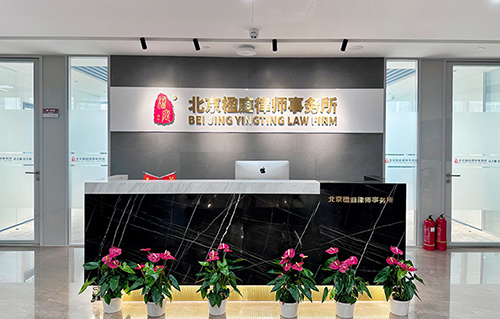
Beijing Yingtong Law Firm has focused on the protection of the rights and interests of private enterprises for many years. It has represented many corporate rights protection cases in the legal practice of rights protection in natural resources, mining, land, waters, territorial space, corporate equity, criminal defense, factory demolition, environmental protection shutdown, prohibition and vacation, etc., including large-scale real estate...








Have you ever heard of "no forced demolition on Saturdays"? Find out quickly!
Home page >> Business areas >> State compensation
Article author:Yingting Lawyers Group | Update time:2022-11-10 | Reading times:1183
Article introduction: After the company was shut down by environmental protection, the air became better, but the compensation to the company was too low. What should I do?
Part One: Case Story
The Environmental Protection Bureau of a county in Zhejiang found that the sewage treatment facilities of a chemical plant were damaged, and untreated wastewater exceeding the standard was discharged into a pond outside the factory. The Yingting demolition team learned that the Environmental Protection Bureau ordered the company to shut down for rectification in accordance with the provisions of the Environmental Protection Law. Later, the business owner actively installed sewage facilities and prepared to continue production. However, after inspection by the environmental protection department, it still did not meet environmental protection requirements and decided to continue to close the company. When the company negotiated compensation with the Environmental Protection Bureau, it was found that because it was a polluting company, the compensation given was too low. How do companies protect their legitimate rights and interests?

Part 2: Relevant laws and regulations
Although environmental pollution standards vary from place to place, they must also comply with the country's basic laws. The regulations that adjust the legal relationship between environmental protection shutdowns of enterprises mainly include: Environmental Protection Law, Air Pollution Prevention and Control Law, Water Pollution Prevention and Control Law, and Marine Environmental Protection Law.
Part 3: 5 Reasons for Business Closure
1. Shut down enterprises based on tasks or command-style policies
It is a government agency shutting down enterprises in a command-style manner, which is of a policy nature. Ying Ting found that they were often targeted at overall work implemented within a province or city. Policy shutdowns are universal and regional. Companies of the same type may be shut down, companies in a certain range may be shut down, etc.

2. The most common shutdown--Enterprise environmental shutdown
Environmental protection shutdowns of enterprises are the most common. For example, breeding farms that cause water pollution, chemical companies that cause air pollution, some small polluting companies, pharmaceutical companies that discharge pollutants, etc. are all key targets of environmental inspections, and they are also companies that are often rectified and shut down.
3. Enterprises with high pollution and low economic benefits are facing industrial closure.
Some industrial enterprises with high pollution, high energy consumption and low economic contribution may face fate such as rectification, closure, vacation, and demolition. For example, policies such as "198 Industrial Land Reduction" and "Five Violations Must be Censored" were formulated to address this type of situation.

4. Business closures due to illegal land occupation.
If the purpose of collective land is changed and agricultural land or breeding land is used for industrial construction, this illegal occupation of land will lead to the closure of enterprises, as well as the vacation and demolition of enterprises.
5. Shutdown of companies with punitive nature
If an enterprise has fire hazards, safety hazards, or fails to meet environmental impact assessment standards, relevant departments may shut down the enterprise and impose penalties.
Previous article:Administrative agencies are not allowed to demolish illegal buildings at night or on statutory holidays.
Recommended reading
- Mineral rights mortgage financing: a new financing path for private mining companies
- Should the government’s investment promotion agreement be scrapped at the drop of a hat? The law has your back!
- Mining in the name of land leveling? The Central Inspection Team is exposed! Mine bosses, please don’t step into this trap.
- Mining license renewal delayed? The new regulations stipulate that a reply must be made within 15 days
- New opportunities for administrative reconsideration: increased litigation winning rate, smoother rights protection channels
- Mineral rights mortgage financing: a new financing path for private mining companies
- Should the government’s investment promotion agreement be scrapped at the drop of a hat? The law has your back!
- Mining in the name of land leveling? The Central Inspection Team is exposed! Mine bosses, please don’t step into this trap.
- Are companies being fined too much for small things? Court: The punishment is inappropriate and must be corrected!
- New opportunities for administrative reconsideration: increased litigation winning rate, smoother rights protection channels