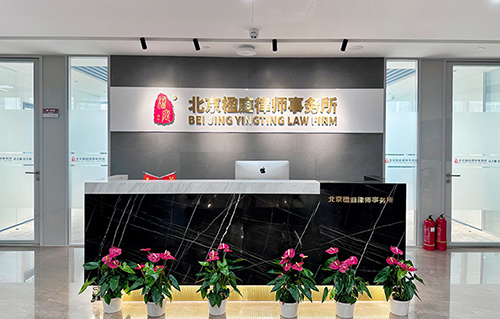
Beijing Yingtong Law Firm has focused on the protection of the rights and interests of private enterprises for many years. It has represented many corporate rights protection cases in the legal practice of rights protection in natural resources, mining, land, waters, territorial space, corporate equity, criminal defense, factory demolition, environmental protection shutdown, prohibition and vacation, etc., including large-scale real estate...









What issues should you consider when buying a house in another place?
Home page >> Business areas >> Factory demolition
Article author:Yingting Lawyers Group | Update time:2022-11-10 | Reading times:484

1. Understand local home purchase policies and determine home purchase qualifications
For home buyers from other places, it is very necessary to understand the local home purchase policies. Since many cities have clear restrictions on the qualifications for home purchase for people registered in other provinces and cities, home buyers need to know whether they meet the requirements. If buyers who meet the qualifications to buy a house use a loan to buy a house, they need to check the local credit policies, which mainly include: (1) whether the provident fund can be used; (2) the loan interest rates of different banks; (3) real estate loan policies of different natures.
2. Evaluate financial strength and choose the most suitable payment method
Generally, home buyers have two payment methods for buying a house: full payment and loan. If the full payment method is adopted, home buyers need to consider whether the quality of life after buying the house will be affected. If you use a loan, there are more factors to consider. First, you must consider the down payment you can make; secondly, you must have a full understanding of your own income and bank credit status to avoid the dilemma of failing to pass bank loan review. Third, consider the repayment pressure and monthly payment ability. If the burden is large, it will seriously affect the quality of life.
3. Don’t completely believe the propaganda that field trips are the most important.
Due to the fast pace of life, many out-of-town home buyers often learn about project information through the Internet, newspapers, advertisements, and media. When developers promote projects, they will introduce a large amount of project information, and not every piece of information seen by home buyers is so "real." Therefore, home buyers must take the time to conduct an on-site inspection. What are the key points of the inspection?
On-site inspections generally need to focus on: the price, location, quality of the property, the developer's information and brand reputation, the floor, area, floor plan, and sales status of the sample and specific rooms. In addition, there are also the supporting facilities of the purchased property such as water, electricity, gas, optical fiber and other household facilities, as well as surrounding municipal facilities such as public transportation, hospitals, schools, roads, shopping malls, supermarkets and wet markets.
4. Be careful when signing a contract and don’t miss out on the details.
After making preparations in the above three points, the home buyer can sign a contract with the developer. What buyers are required to do here is to carefully read and understand the terms and contents of relevant contracts such as the "Purchase Agreement", "Purchase Agreement" and "Supplementary Agreement" signed with the developer, and determine whether the terms are true and accurate, whether the responsibilities and rights of both parties are equal, whether the liability for breach of contract is fair, etc., so as to avoid the "signing trap".
Previous article:Can I terminate the contract if I regret it after signing it?
Next article:Breaking the news! House demolition compensation standards
Recommended reading
- Mineral rights mortgage financing: a new financing path for private mining companies
- Should the government’s investment promotion agreement be scrapped at the drop of a hat? The law has your back!
- Mining in the name of land leveling? The Central Inspection Team is exposed! Mine bosses, please don’t step into this trap.
- Mining license renewal delayed? The new regulations stipulate that a reply must be made within 15 days
- New opportunities for administrative reconsideration: increased litigation winning rate, smoother rights protection channels
- Mineral rights mortgage financing: a new financing path for private mining companies
- Should the government’s investment promotion agreement be scrapped at the drop of a hat? The law has your back!
- Mining in the name of land leveling? The Central Inspection Team is exposed! Mine bosses, please don’t step into this trap.
- Are companies being fined too much for small things? Court: The punishment is inappropriate and must be corrected!
- New opportunities for administrative reconsideration: increased litigation winning rate, smoother rights protection channels